Introduction
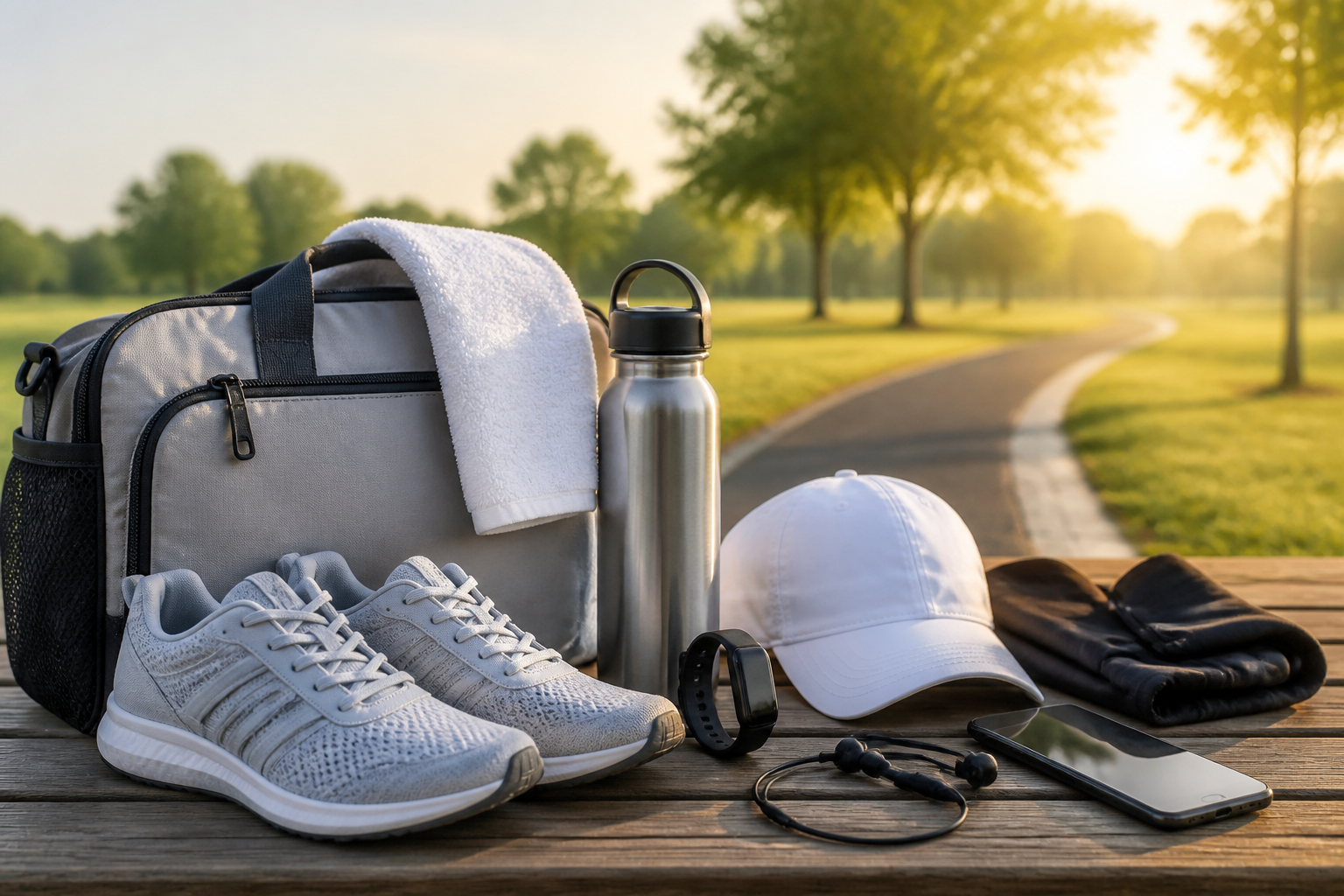
Morning walks and outdoor exercise are popular because they are simple, flexible, and easy to fit into daily life. Whether you are taking a relaxed neighborhood walk, heading to a park trail, or doing a more active outdoor workout, the right accessories can make the experience more comfortable and convenient. The goal is not to buy the most gear possible. It is to choose a few useful items that support your routine, match the weather, and help you stay prepared.
Accessories for outdoor exercise can serve different purposes. Some improve comfort, such as supportive socks or a breathable cap. Others help with practicality, such as a water bottle or a small running belt. Some are about visibility and safety, especially if you walk early in the morning or near traffic. The best choices depend on your pace, location, climate, and personal preferences.
This guide explains the most useful accessories for morning walks and outdoor exercise, what to look for when choosing them, and common mistakes to avoid. If you want a smarter, more comfortable setup for your daily movement, the sections below can help you build it thoughtfully.
Why accessories matter for morning walks and outdoor exercise
For many people, a walk starts with just comfortable shoes and a positive mindset. That is enough in some situations. However, the right accessories can make regular activity easier to maintain. Small improvements in comfort, visibility, and organization can reduce friction and make you more likely to keep your routine.
Morning conditions can bring cooler temperatures, low light, damp grass, or changes in weather. Outdoor exercise may also involve carrying a phone, keys, and water, or staying visible to cyclists and drivers. Accessories help with these everyday details so you can focus on the activity itself.
The most useful items are usually the ones that solve a real problem. If your hands get cold, gloves may help. If you sweat a lot, a moisture-wicking headband may be useful. If you feel clumsy carrying items, a small belt or armband may be the better option. A good buying decision starts by matching the accessory to the problem you want to solve.
Best accessories to consider
1. Comfortable walking shoes or training shoes
Footwear is the most important item for many people, even though it is not always thought of as an accessory. For morning walks and outdoor exercise, shoes should feel supportive, stable, and appropriate for your route. A shoe that is fine for indoor use may not feel as comfortable on pavement, gravel, or uneven paths.
When choosing footwear, focus on fit first. Your shoes should have enough room in the toe area, should not rub at the heel, and should feel secure without being tight. Cushioning preferences vary. Some walkers want a softer feel, while others prefer a firmer, more grounded shoe. The best option is the one that feels comfortable for your normal walking time and pace.
Consider the surface you usually walk on. If you mostly use sidewalks or roads, a lightweight walking or training shoe may be suitable. If you use trails or parks, you may want a shoe with more grip. People with specific foot concerns may benefit from consulting a qualified professional before buying specialized footwear.
2. Moisture-wicking socks
Socks are easy to overlook, but they can affect comfort more than many people realize. Moisture-wicking materials can help reduce dampness, which may make a walk more pleasant, especially in warm weather or during longer sessions.
Look for socks that fit well and do not slide down. Seams that feel bulky can cause irritation. Fabric choice matters too. Many walkers prefer blends designed to move moisture away from the skin more effectively than basic cotton socks. If you tend to walk for longer periods, a comfortable sock can be a simple but worthwhile upgrade.
Sock height is also worth considering. Low-cut socks work for many people, while crew-length socks may feel better in cooler weather or if you want a little more coverage.
3. Weather-appropriate activewear
Clothing is not just about style. It can affect comfort, temperature control, and how freely you move. For morning walks and outdoor exercise, choose clothing that suits the season and your activity level.
In warm weather, lightweight and breathable fabrics may feel more comfortable. In cooler weather, layering is often more practical than wearing one heavy garment. A thin base layer, a light mid-layer, and a wind-resistant outer layer can be easier to adjust as your body warms up. This can be especially useful during early mornings when temperatures may change quickly.
Good activewear should allow movement and not cause unnecessary rubbing. Pockets can be useful, but make sure they do not bounce or feel bulky. If you walk in public places, consider clothing colors that make you easier to see, especially at dawn or dusk.
4. Reflective gear and visibility accessories
If you walk before sunrise, near traffic, or in dim conditions, visibility should be a top priority. Reflective accessories can help others notice you more easily. Common options include reflective vests, armbands, bands for ankles or wrists, and clothing with reflective details.
The right visibility accessory depends on your route and lighting. A reflective vest is often a strong choice for people walking close to roads. Smaller reflective bands may be enough for low-traffic paths or neighborhood routes. Some people prefer a combination of reflective material and a small light for extra visibility.
When choosing visibility gear, make sure it is comfortable and easy to wear over your usual clothing. If an item feels heavy, hot, or restrictive, you may stop using it. Simple, lightweight designs are often the best for regular routines.
5. Headlamp or clip-on light
A small light can be useful for early morning walkers, especially when pathways are uneven or poorly lit. A headlamp keeps the light pointed where you look, while a clip-on light can be a smaller option for added visibility.
Choose a light that is easy to turn on and off, fits securely, and does not feel distracting. If you use a headlamp, comfort and beam angle matter. If you use a clip-on light, think about where it attaches and whether it stays in place during movement.
Lights can be helpful for seeing the ground, but they should not replace awareness of your surroundings. It is still important to pay attention to obstacles, other people, and traffic.
6. Water bottle or hydration flask
Hydration needs vary by person, weather, and duration of activity, but carrying water can be useful for longer walks or more active outdoor exercise. A reusable water bottle or soft flask is practical, simple, and easy to carry in many settings.
When selecting a bottle, think about size, weight, lid style, and how you will carry it. A larger bottle may be convenient for longer sessions, while a smaller one may be better if you want to keep your hands free. Leak resistance is important if you plan to carry it in a bag or belt.
If you prefer not to hold water while walking, consider a bottle with a strap, a small hydration belt, or a backpack with a bottle pocket. The best solution is the one you are most likely to bring consistently.
7. Running belt, waist pack, or small armband
Many walkers and outdoor exercisers want a simple way to carry essentials like a phone, keys, cards, or tissues. A running belt or waist pack can be useful if you want to keep your hands free and avoid stuffing items into pockets.
Look for a secure fit, adjustable sizing, and a pocket layout that matches your needs. Some belts are slim and minimal, while others offer more storage. A more compact option may be better for short morning walks. A larger pack may suit people who carry water, snacks, or extra layers.
Armbands can work for people who prefer phone access without holding it. However, they are not ideal for everyone. Some users find them less comfortable than waist-based storage. The right choice depends on where the item feels least intrusive during movement.
8. Cap, visor, or sun hat
Headwear can improve comfort in several ways. In sunny conditions, a cap or visor can help reduce glare. In cooler or windy weather, a lightweight hat can add a little warmth. If you walk regularly outdoors, having a hat suited to the season is useful.
Choose a style that fits well and does not feel too tight. Breathable materials are helpful if you tend to get warm quickly. A visor can be a good choice if you want shade without as much head coverage. A cap may provide more overall protection from sun and drizzle.
For early-morning routines, headwear can also help keep hair out of your face, which can be a small but helpful comfort point.
9. Lightweight gloves or hand warmers
Cold hands can make even a short walk feel less comfortable. Lightweight gloves are a practical accessory for cooler mornings. They should allow enough movement for carrying a phone, adjusting clothing, or opening a water bottle.
If your climate changes often, look for gloves that are thin, breathable, and easy to store in a pocket or belt when you warm up. Some people also use hand warmers in very cold weather, though that is usually more relevant for low temperatures and longer outings.
Gloves are a good example of an accessory that can be seasonal rather than everyday. If your weather is mild most of the year, you may only need them occasionally.
10. Earbuds or headphones, used thoughtfully
Some people enjoy music, podcasts, or guided audio during morning walks. If that helps you stay consistent, a comfortable pair of earbuds or open-ear headphones may be useful. The main consideration is staying aware of your surroundings, especially near roads, intersections, or shared paths.
Open-ear designs may appeal to people who want to hear what is happening around them more easily. Traditional earbuds can work too, but it is wise to keep volume at a level that does not block environmental awareness. In some locations, local rules or common-sense safety guidance may affect how and where audio devices are used outdoors.
Comfort, battery life, and a secure fit matter more than extra features for most walkers. If a device is uncomfortable, it may become a distraction rather than a help.
11. Fitness watch or simple activity tracker
Some walkers like to track steps, time, heart rate, or route details. A fitness watch or basic activity tracker can help with routine building and progress awareness. It is not necessary for everyone, but it may be motivating if you like measurable goals.
When choosing a tracker, focus on readability, battery life, ease of use, and comfort. A complicated device may be more frustrating than helpful. If your main goal is simply to enjoy walking, a basic model may be enough. If you prefer structured goals, consider features that match your habits rather than paying for extras you will not use.
For outdoor exercise, water resistance and a secure strap can be useful. However, avoid relying on the device for medical conclusions or any kind of health diagnosis.
How to choose the right accessories for your routine
The best accessories for morning walks and outdoor exercise are not always the most advanced ones. They are the items that match your routine, climate, and comfort preferences. A simple decision process can help narrow the options.
Think about your environment
Where you walk matters. Busy streets, quiet neighborhoods, park paths, and trail routes all call for different priorities. If your route is dark, visibility gear becomes more important. If your route is uneven, supportive footwear and a light can help with footing. If your local weather changes quickly, layering and weather protection may be more useful than extra gadgets.
Match accessories to your activity length
Short walks often require less gear. You may only need shoes, a phone holder, and a cap. Longer walks or more active outdoor workouts may require water, storage, and clothing that handles sweat better. Try not to overpack for short routines, because too much gear can make the activity feel less enjoyable.
Prioritize comfort and fit
Comfort is one of the strongest predictors of whether you will keep using an accessory. If something pinches, slips, bounces, or feels heavy, it may end up unused. Fit should be practical rather than theoretical. A belt that is secure but not tight, shoes with enough room, and clothing that moves naturally are all worth prioritizing.
Choose multipurpose items when possible
Multipurpose accessories can be smart for buyers who want to keep things simple. A lightweight jacket that works for wind and light rain may be more useful than a separate item for each condition. A small pack with reflective details can solve both storage and visibility needs. Smart buying often means selecting fewer items that do more.
Common buying mistakes to avoid
- Buying based on style alone: Attractive gear can be appealing, but outdoor accessories should first be comfortable, functional, and suitable for the weather.
- Choosing the wrong size or fit: Poorly fitting belts, hats, gloves, or shoes can become irritating quickly.
- Ignoring visibility needs: If you walk early or near traffic, reflective features may matter more than a particular color or brand style.
- Overcomplicating the setup: Too many accessories can feel bulky and reduce the chance that you will use them regularly.
- Forgetting the local climate: Accessories that work in mild weather may not be enough for wind, rain, heat, or cold.
- Not considering storage: If you have no safe place for your phone or keys, even a good walk can feel inconvenient.
Practical tips for using accessories well
A useful accessory works best when it fits into a simple routine. Keep items in one place so you can grab them quickly before leaving. If you walk in the morning, prepare the night before when possible. That may mean charging your watch, filling your water bottle, or laying out clothes and visibility gear.
It also helps to test accessories in short sessions before relying on them for longer outings. Try a belt with your phone, or wear new socks on a brief walk first. This gives you a chance to notice discomfort, bouncing, or fit issues before they become annoying.
Replace or refresh items when they no longer serve you well. Shoes wear out, reflective materials can become less noticeable over time, and clothing may lose its comfort or shape. Regular review keeps your setup practical.
Who these accessories may suit
Different walkers benefit from different gear. The best accessories for morning walks and outdoor exercise may suit:
- Early risers: People walking before sunrise who need visibility and light.
- Urban walkers: Those moving near roads, intersections, or traffic who may benefit from reflective gear.
- Fitness-focused walkers: People who want hydration, tracking, or storage for longer sessions.
- Casual walkers: Those who mainly want comfort, weather protection, and simple convenience.
- All-season exercisers: People who need layered clothing and seasonal accessories for changing weather.
If your routine is casual and short, you may only need a few basics. If your route is longer, darker, or more variable, a more complete setup may make sense.
Frequently asked questions
What is the most important accessory for morning walks?
For many people, comfortable footwear is the most important item. After that, the most useful accessory depends on the conditions you face, such as low light, cold weather, or the need to carry essentials.
Do I need a water bottle for every walk?
Not necessarily. For short walks in mild conditions, you may not need one. For longer walks, warm weather, or more active outdoor exercise, carrying water can be more practical.
Are reflective accessories really necessary?
They are especially useful if you walk in low light, near traffic, or in conditions where visibility is reduced. If your route is bright and quiet, they may be less essential, but they can still add an extra layer of visibility.
What should I carry for a short morning walk?
Many people only need shoes, comfortable clothing, and a secure place for keys or a phone. If it is dark or cool, you may also want a reflective item, light, or light layer.
How do I avoid buying unnecessary gear?
Start with the basics, identify one problem at a time, and buy accessories that solve that problem directly. If you are unsure, choose simple and versatile items first.
Conclusion
The best accessories for morning walks and outdoor exercise are the ones that make your routine easier to start and more comfortable to maintain. In many cases, a few practical items are enough: supportive shoes, moisture-wicking socks, weather-appropriate clothing, a way to stay visible, and a simple method for carrying water or essentials.
Rather than buying everything at once, begin with the accessories that match your route, weather, and personal habits. Focus on fit, comfort, and usefulness. With a thoughtful setup, morning walks and outdoor workouts can feel more convenient, more enjoyable, and easier to repeat consistently.