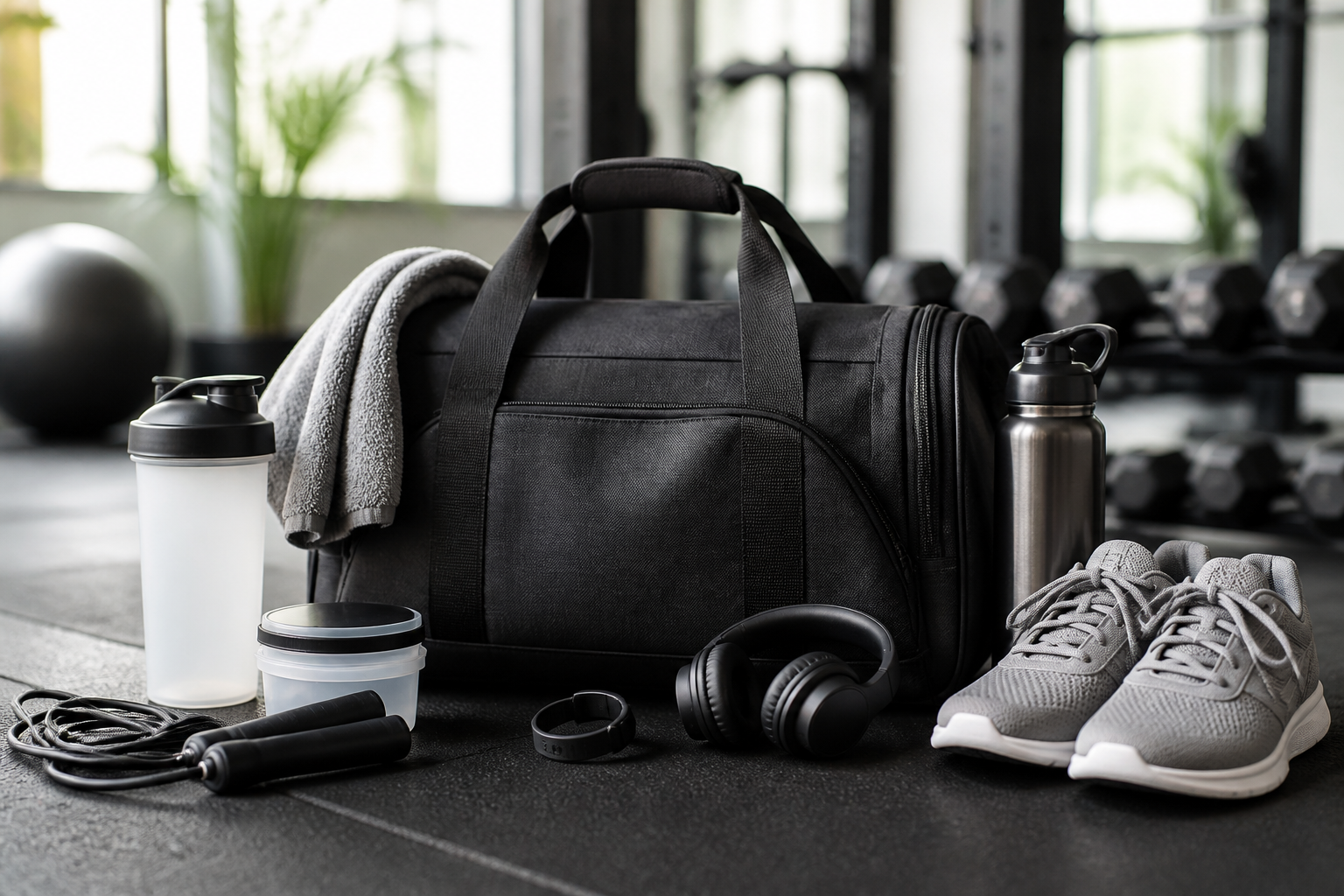
If you are new to the gym, figuring out what belongs in your bag can feel more confusing than the workout itself. The good news is that a beginner’s gym bag does not need to be packed with specialty gear or expensive extras. In most cases, the best gym bag essentials for beginners are the items that help you stay comfortable, prepared, organized, and able to move smoothly from home to the gym and back again.
This guide focuses on practical basics rather than trendy accessories. The goal is to help you build a simple, reliable gym bag that fits your routine. Whether you are heading to a weight room, a studio class, a treadmill session, or a mixed-use fitness facility, the right essentials can make your experience easier and less stressful.
Instead of overpacking, think in terms of categories: clothing, hygiene, hydration, recovery, organization, and a few useful backup items. The best setup is usually the one you can maintain consistently. A bag that is too heavy, cluttered, or complicated often gets left behind.
What Makes a Good Gym Bag for Beginners?
A good gym bag is not just a container. It supports your routine by keeping what you need accessible and separate from everything else. For beginners, the ideal gym bag is usually simple, durable, easy to clean, and sized appropriately for your training habits.
Size and capacity
Choose a size that matches your routine. If you only need a towel, water bottle, shoes, and a change of clothes, a medium bag may be enough. If you are going to work out before work or after errands, you may want a little more space for toiletries, a lunch container, or extra layers. Beginners often overestimate how much they need, so starting with a moderate size is usually the safest choice.
Easy organization
Look for a bag with at least one main compartment and a smaller pocket for valuables such as keys, cards, or headphones. A separate shoe compartment can be especially useful if you want to keep dirty soles away from clean clothes. Internal organization does not need to be fancy; it just needs to prevent everything from becoming a pile at the bottom of the bag.
Material and cleanup
Gym bags often deal with sweat, moisture, and occasional spills. Materials that are easy to wipe down can save time and reduce odor buildup. You do not need a premium bag to stay organized, but choosing a material that handles regular use well can make your bag last longer and feel more pleasant to use.
Comfort and portability
Think about how you will carry the bag. If you walk or commute to the gym, comfortable straps and a manageable weight matter more than you might expect. If you drive, the bag may be used more for organization than long-distance carrying, but it should still be easy to lift and store.
Best Gym Bag Essentials for Beginners
The items below cover the most practical basics. You may not need every single one on day one, but this list is a strong starting point for most beginners.
1. Workout clothes
Pack a clean workout top, bottom, and socks if you are changing before training. If you go straight from work or class, having a dedicated gym outfit in your bag removes one barrier to getting started. Comfortable, breathable clothing is usually the main priority, along with anything that suits your chosen activity.
If you are new to fitness, it can help to keep one simple backup outfit in your bag at all times. That way, if plans change or you sweat more than expected, you are still prepared.
2. Athletic shoes
Proper shoes matter because different activities can place different demands on your feet and ankles. For beginners, the main goal is to wear footwear that is appropriate for the type of workout you plan to do. If you are alternating between gym and street shoes, a separate compartment or shoe bag can help keep the rest of your items clean.
Some beginners choose to keep gym-only shoes in their bag or in the car, especially if they work out before heading to another location. This can simplify the routine and keep packing time low.
3. Water bottle
A reusable water bottle is one of the most practical gym bag essentials. It helps you stay hydrated during training and reduces the need to buy disposable drinks at the gym. For convenience, choose a bottle that is easy to open, easy to clean, and sized for how long you usually spend exercising.
If you prefer cold water, an insulated bottle may be helpful. If your workouts are short, a smaller bottle may be enough. The best option is the one you will actually bring and refill consistently.
4. Small towel
A towel can be useful for wiping sweat, drying your hands, or sitting on shared equipment when appropriate. Many gyms have their own policies, so it is worth checking what is expected. A compact, quick-drying towel is often the most beginner-friendly option because it takes up less space and dries faster after use.
5. Toiletries for post-workout cleanup
Basic hygiene items can make the transition after a workout much easier, especially if you are going to work, school, or another appointment. A simple toiletry kit may include deodorant, face wipes, body wipes, a small hand towel, dry shampoo, or travel-size soap and moisturizer, depending on your routine.
You do not need a full bathroom in your bag. Choose only the items that fit your schedule. For example, if you shower at the gym, a compact wash kit may be useful. If you shower at home, wipes and deodorant may be enough.
6. Headphones or earbuds
Music, podcasts, or training audio can make the gym feel less intimidating for beginners and help establish a routine. Keep your headphones in a dedicated pocket or case so they do not get tangled or buried under other items. If you use wireless earbuds, make sure they are charged before leaving home.
7. Lock for gym storage, if needed
Some facilities offer lockers, and some beginners prefer to store valuables securely while training. If your gym requires or encourages a lock, it is useful to keep one in your bag so you are not scrambling at the entrance. Check the locker style at your facility before buying a lock, since not every lock works with every locker.
8. Protein snack or simple post-workout food
A small snack can be helpful if you tend to get hungry before or after training. Examples include a banana, a granola bar, or another easy-to-carry option that fits your preferences. The point is not to create a perfect nutrition plan in your gym bag, but to avoid unnecessary discomfort if your schedule is tight.
Choose shelf-stable items that can handle being in your bag for the length of your workout. Avoid packing foods that spoil easily if you may forget them.
9. Phone charger or charging cable
If you use your phone for music, workout tracking, digital passes, or directions, keeping a charger or cable in your gym bag can be very practical. A short cable or portable power bank may be enough for most beginners. This is especially useful if the gym visit is part of a longer day away from home.
10. Personal care backup items
Some small backup items can save time in a pinch. Examples may include hair ties, a spare pair of socks, blister protection if you commonly need it, or a small pack of tissues. You do not need many extras, but a few simple backups can reduce frustration when something is forgotten.
How to Decide What You Actually Need
The best gym bag essentials for beginners depend on when you train, how you get to the gym, and what happens after the workout. Instead of copying someone else’s full bag setup, think about your own routine.
If you work out before work
You may need clothes, toiletries, a towel, deodorant, and anything that helps you get ready quickly afterward. A tidy bag with separate sections can be especially useful because you may be moving quickly.
If you work out after work or school
You may want a snack, water bottle, clean clothes, and a way to keep dirty items separate after training. If your schedule is long, a charger or extra hygiene item can also be helpful.
If you commute by walking or public transit
Keep the bag as light as possible while still being useful. Weight and comfort matter more when you are carrying your gym bag for longer periods. A smaller, organized setup often works better than a large bag packed with extras.
If you drive to the gym
You may have more flexibility with size, but that does not mean you should overpack. A larger bag can quickly become cluttered. Even if your car serves as backup storage, keeping the bag itself simple makes it easier to use consistently.
Features Worth Looking For When Buying a Gym Bag
If you are shopping for a gym bag rather than just packing one, certain features are more useful than others for beginners.
- Separate compartments: Helpful for keeping shoes, clothes, and toiletries organized.
- Easy-clean lining: Useful if you expect sweat, damp clothing, or spills.
- Durable zippers: Important because a gym bag gets opened and closed frequently.
- Comfortable straps: Especially helpful if you carry the bag often or over longer distances.
- Moderate size: Big enough for essentials, but not so large that it becomes difficult to manage.
- Lightweight construction: Useful for beginners who do not want unnecessary bulk.
- Ventilation or shoe storage: May help with odor control and separation of used items.
Remember that “best” does not always mean “most features.” Beginners often benefit more from simplicity than from advanced storage systems that go unused.
Common Gym Bag Mistakes Beginners Make
It is easy to overthink what belongs in a gym bag. Avoiding a few common mistakes can make your routine much smoother.
Overpacking
Many beginners pack for every possible scenario and end up with a bag that is too heavy or cluttered. Start with the essentials you use most often, then add extras only if you find a real need.
Forgetting hygiene basics
A workout bag should support the full trip, not just the exercise itself. Items like deodorant, wipes, and a towel can make a big difference in comfort after training.
Mixing clean and dirty items
Without a separate pocket or pouch, used clothes, shoes, and damp towels can affect the rest of the bag. A simple divider, plastic pouch, or shoe compartment can solve this problem.
Keeping perishable snacks in the bag too long
If you pack food, remove it soon after your workout. Forgotten snacks can create odors, clutter, and unnecessary waste.
Buying a bag that is too large
Large bags can be useful, but they may encourage extra packing and make the bag harder to carry. For beginners, a medium-size bag is often the most practical place to start.
Simple Packing Tips for a Better Gym Routine
Good packing habits are often more important than the bag itself. A small amount of organization can save time every day.
- Keep a permanent essentials list: Write down the items you use most often so you can repack quickly.
- Restock immediately: Replace wipes, socks, snacks, or toiletries as soon as you notice they are low.
- Use one pouch for small items: Headphones, keys, lip balm, and charger cables stay easier to find.
- Leave backup clothes in the bag: A spare shirt or socks can help when plans change.
- Air out the bag regularly: Open it after use so moisture does not stay trapped inside.
- Clean out old receipts, wrappers, and packaging: Small clutter adds up quickly.
If you are trying to build a routine, it can help to pack your gym bag the night before. This reduces decision-making in the morning and makes it easier to leave the house on time.
Who This Starter Gym Bag Setup May Suit
A basic gym bag essentials list can work for many people, but it is especially useful for certain beginners.
- New gym members: People who are just starting a fitness routine and want to feel more prepared.
- Busy commuters: People who go straight from work or school to the gym.
- Casual exercisers: People who do not need a large amount of gear, just the basics.
- Studio class attendees: People taking classes that require a change of clothes, water, and a few hygiene items.
- Anyone trying to simplify: People who want a low-stress, repeatable packing system.
If your training becomes more specialized over time, your bag can evolve with it. The beginner setup is not meant to be permanent; it is meant to be practical and easy to maintain.
Frequently Asked Questions
What are the absolute must-have gym bag essentials for beginners?
The most common essentials are workout clothes, shoes, a water bottle, a towel, and a few hygiene items such as deodorant or wipes. Depending on your routine, you may also want headphones, a lock, or a small snack.
Should I pack a gym bag every day?
Not necessarily. Some people keep a mostly ready bag packed with the basics and refresh it as needed. Others pack only on workout days. The best method is the one that fits your schedule and helps you stay consistent.
Do I need a separate bag for shoes?
It is not always required, but it is very helpful. A separate shoe compartment or pouch can keep dirt and odor away from clean clothes and toiletries.
How can I keep my gym bag from smelling?
Let damp items dry as soon as possible, remove used clothes after each workout, and clean the bag regularly. Ventilated storage and separate pouches can also help reduce odor buildup.
What size gym bag is best for beginners?
For many beginners, a medium-size bag is a good starting point. It usually holds the essentials without becoming too bulky. If your routine grows or you carry more items, you can move to a larger bag later.
Conclusion
The best gym bag essentials for beginners are the items that make your workout routine easier, cleaner, and more repeatable. Start with the basics: clothes, shoes, water, a towel, simple hygiene items, and a few useful backup pieces. Then adjust your bag based on how and when you train.
A beginner gym bag does not need to be perfect. It just needs to support your routine without creating extra stress. When you keep it simple, organized, and tailored to your real needs, you are more likely to show up consistently—and that is often the most valuable fitness essential of all.