Introduction
Living in a small home or apartment does not mean you have to live with clutter. The right storage solutions can make a compact space feel calmer, more functional, and easier to maintain. When every square foot matters, the best approach is usually not to add more furniture, but to choose pieces and systems that do more than one job, use vertical space well, and keep daily essentials easy to reach.
This buying guide focuses on practical storage ideas for small homes and apartments. It is designed to help you think through what actually works in compact spaces, what features to look for, and which storage categories may suit different rooms and lifestyles. Whether you are trying to organize a studio apartment, a small family home, or a tight rental, the goal is the same: reduce clutter without making your space feel crowded.
The best storage solutions for small homes and apartments are not just about hiding things away. They are about improving flow, making cleaning easier, and helping you use the space you already have in a smarter way. That often means choosing flexible, multi-purpose, and visually light storage over bulky, one-purpose items.
What Makes a Storage Solution Work in a Small Space?
In a larger home, storage can be more forgiving. In a smaller space, every item must earn its place. The most effective storage solutions usually share a few important traits:
- They use vertical space: Walls, doors, and the area above furniture are often underused in small homes.
- They serve more than one purpose: An ottoman with storage or a bed with drawers can reduce the need for separate furniture.
- They are proportioned correctly: Oversized storage can make a room feel cramped and harder to move through.
- They are easy to access: If storage is inconvenient, items are more likely to end up on counters, floors, or chairs.
- They help you sort by frequency of use: Everyday items should be simple to reach; seasonal or rarely used items can go higher or deeper into storage.
Before buying anything, it helps to look at your home room by room and identify where clutter actually collects. Common trouble spots include entryways, kitchen counters, closet floors, bathroom cabinets, and the area beside or under the bed. The right product should solve a specific problem, not just add another bin to the room.
Best Storage Categories for Small Homes and Apartments
1. Multi-Functional Furniture
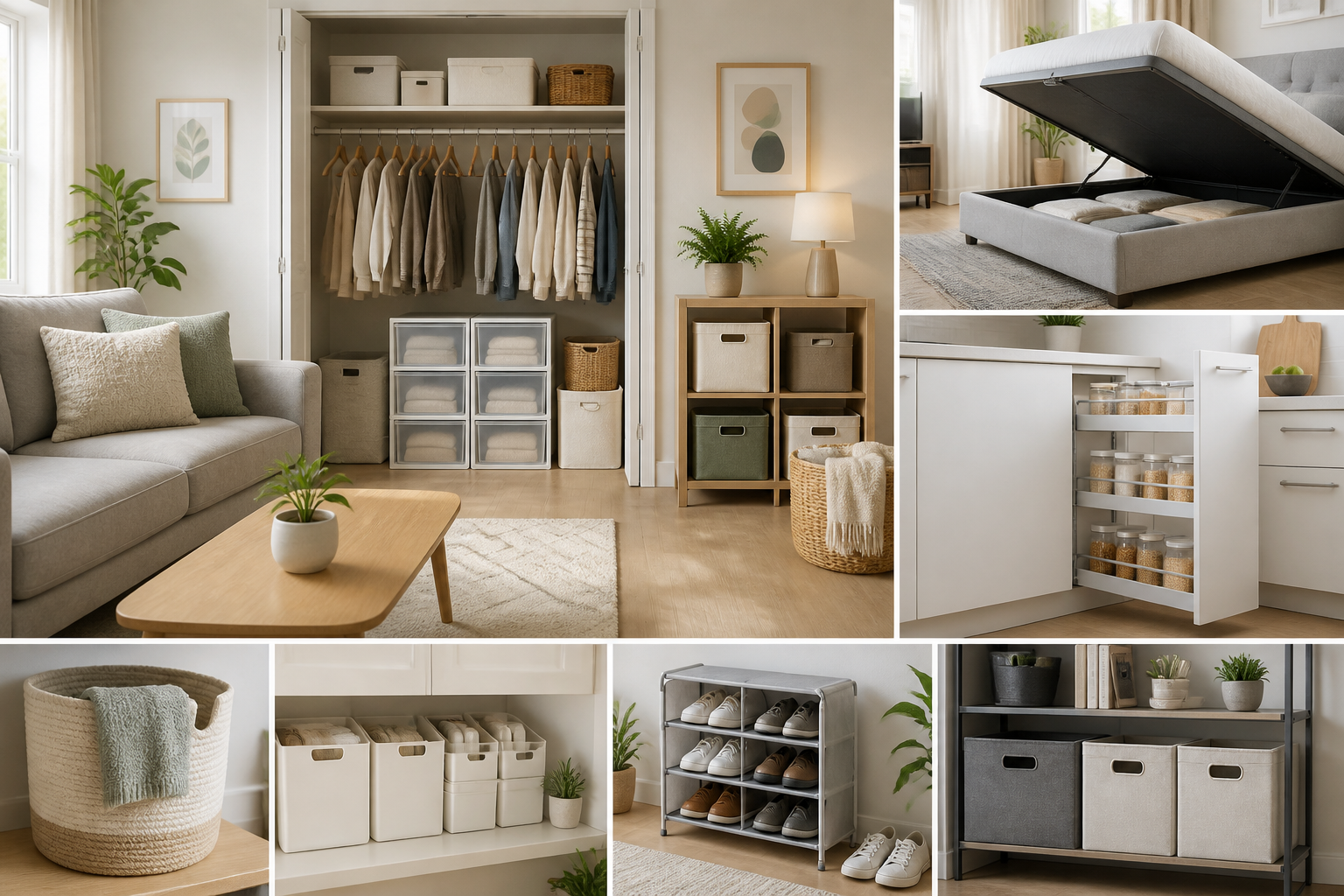
For compact living, multi-functional furniture is often the most valuable storage category. These pieces give you seating, sleeping, or surface space while also providing hidden storage. Popular examples include storage ottomans, coffee tables with shelves or drawers, platform beds with built-in drawers, and benches with lift-up seats.
Why it works: You are combining two needs into one footprint, which is one of the most efficient ways to save space. This is especially useful in studio apartments or small living rooms where separate storage furniture may be too bulky.
What to look for: Solid construction, easy-to-open lids or drawers, and dimensions that suit your room without blocking walkways. If the piece will be used often, look for smooth operation and durable hardware. If it will be in a visible area, consider finishes that match your existing décor so the item feels intentional rather than purely practical.
Best for: Studio apartments, small living rooms, guest rooms, and bedrooms where closet space is limited.
2. Vertical Shelving and Wall-Mounted Storage
When floor space is tight, walls become valuable real estate. Vertical shelves, wall-mounted cabinets, pegboards, and hanging organizers can turn unused wall space into functional storage. Tall shelving units also help draw the eye upward, making a room feel more organized and often less crowded than multiple short pieces spread across the floor.
Why it works: Vertical storage increases capacity without taking up much floor area. It can also help separate categories of items, making it easier to keep things in place.
What to look for: Adjustable shelves, secure mounting options, and enough depth for the items you plan to store. In a rental, removable wall systems or freestanding tall shelves may be more practical than permanent installation. In all cases, make sure the storage feels stable and fits the wall or floor area available.
Best for: Kitchens, bathrooms, home offices, laundry areas, and entryways.
3. Under-Bed Storage
The space under a bed is one of the most overlooked storage zones in small homes. It can hold seasonal clothing, spare bedding, shoes, and other items that are not needed every day. Under-bed storage may come as rolling drawers, shallow bins, lidded boxes, or a bed frame with built-in storage.
Why it works: It uses space that would otherwise sit empty, and it keeps bulky items out of closets and living areas.
What to look for: Low-profile containers that fit the height clearance under your bed, dust protection if needed, and easy access if you plan to use the contents often. Clear bins can be helpful for visibility, while labeled opaque bins may look tidier if the bed is visible from the room.
Best for: Bedrooms, studio apartments, and homes with limited closet space.
4. Closet Organizers and Closet-Expansion Tools
Many small homes already have closets, but they are often not used efficiently. Closet organizers can dramatically improve storage without changing the room itself. Options include hanging shelves, double-hang rods, shelf dividers, drawer inserts, shoe organizers, and modular closet systems.
Why it works: Closet organizers help you divide a single storage area into categories, which makes it easier to find and return items. They can also increase usable capacity by using the full height of the closet.
What to look for: Adjustable components, strong materials, and a layout that fits the types of items you own. If your closet is small, it may be better to prioritize one or two well-chosen organizers rather than filling the space with too many accessories.
Best for: Bedrooms, hall closets, entry closets, and shared apartments.
5. Entryway Storage
A small entry can quickly become cluttered with shoes, bags, keys, coats, and mail. A compact entry storage setup can reduce the mess right where it starts. Good options include slim console tables with drawers, wall hooks, shoe benches, catchall trays, and narrow cabinets.
Why it works: Entryway storage creates a landing zone. When items have a designated place near the door, they are less likely to spread through the rest of the home.
What to look for: Narrow profiles, easy-to-clean surfaces, and storage that matches your routine. If you have a very tight foyer, wall-mounted hooks and a small shelf may be more practical than a full furniture piece.
Best for: Apartments, condos, and small homes with limited or no mudroom space.
6. Kitchen and Pantry Storage
Kitchens in small homes often need the most creative storage. Cabinet organizers, stackable shelves, pull-out baskets, spice racks, drawer dividers, and over-the-door racks can help you use more of the available interior space. The best kitchen storage is usually the kind that improves visibility and makes daily cooking simpler.
Why it works: Small kitchen storage is about reducing wasted space inside cabinets and making frequently used tools easy to reach. Better organization can also help prevent duplicate purchases and cluttered countertops.
What to look for: Systems that fit your cabinet dimensions, are easy to clean, and keep items accessible. Stackable solutions are useful, but only if they do not make items hard to retrieve. In very small kitchens, countertop storage should be used carefully so the room does not feel crowded.
Best for: Galley kitchens, apartment kitchens, and small pantries.
7. Bathroom Storage
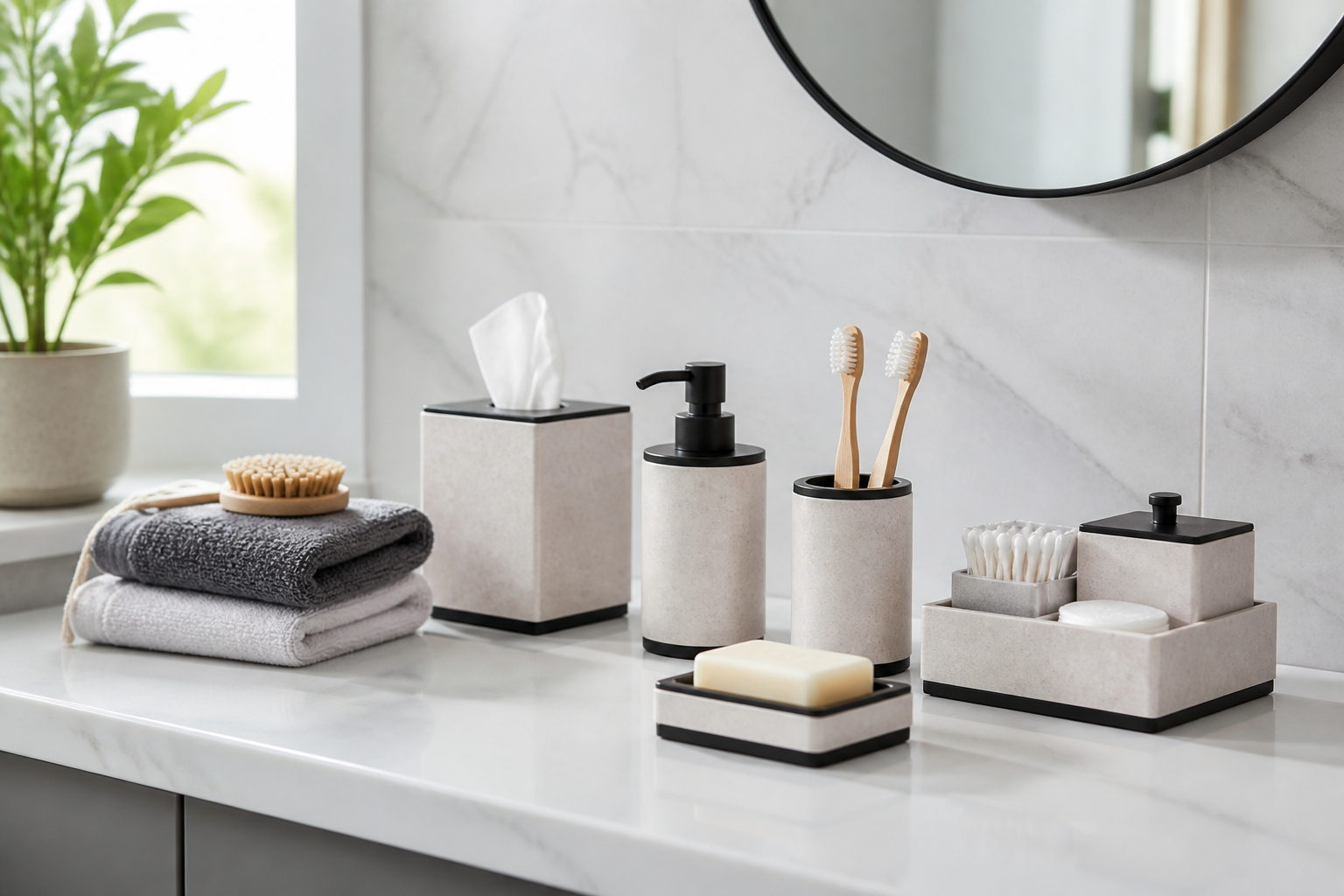
Bathrooms are often short on cabinet space and long on small items that need organizing. Baskets, medicine cabinet organizers, over-toilet shelving, under-sink caddies, and drawer inserts can make the room more efficient without major changes.
Why it works: Bathroom storage tends to improve both order and speed. When toiletries, cleaning supplies, and everyday essentials have clear places, the room becomes easier to use.
What to look for: Moisture-friendly materials, easy access under sinks, and slim storage that fits around plumbing or fixtures. Avoid crowding the bathroom with large pieces that make movement difficult.
Best for: Small bathrooms, shared bathrooms, and rental spaces.
Important Features to Consider Before Buying
Size and Fit
Measure carefully before buying any storage item. In small homes, a few inches can determine whether a piece is helpful or frustrating. Check height, width, and depth, and think about how doors, drawers, and lids open in real use. A storage piece may fit on paper but still block traffic or become awkward to access once installed.
Accessibility
Storage is most useful when you can actually use it. Think about whether you want open shelves for frequent access or closed storage for a cleaner look. Items used every day should not be buried behind rarely used items. If reaching a top shelf or under-bed bin is difficult, the system may not suit your routine.
Flexibility
Small homes often change over time. A storage solution that can adapt is usually a better long-term choice than one designed for a single narrow purpose. Adjustable shelves, stackable bins, modular organizers, and furniture that can be repositioned are all worth considering.
Material and Durability
Storage pieces in small homes tend to get used often, moved more frequently, and sometimes placed in tight or high-traffic spots. Durable materials and sturdy construction can help a storage solution last longer. Consider how the item will hold up to repeated opening, cleaning, and everyday handling.
Visual Weight
In compact rooms, storage can affect how open or closed the space feels. Lighter colors, open frames, and slimmer profiles often appear less bulky. That does not mean opaque or darker storage is bad; it simply means you should think about how the item will change the visual balance of the room.
How to Choose the Right Storage Solution for Each Room
Living Room
For a small living room, focus on storage that supports entertainment, relaxation, and everyday tidiness. Storage ottomans, media units with drawers, side tables with shelves, and wall-mounted shelving can help keep remotes, books, blankets, and small electronics under control.
Bedroom
Bedrooms benefit from under-bed storage, closet organizers, and bedside storage that does not take up much floor area. If the room is especially small, consider replacing bulky nightstands with wall-mounted shelves or compact tables with drawers.
Kitchen
Kitchen storage should make cooking simpler. Use organizers that improve cabinet and drawer efficiency, and prioritize solutions that keep counters clear. If space is limited, a narrow rolling cart can sometimes serve as flexible extra storage or prep space.
Bathroom
Bathroom storage should be compact and moisture-conscious. Look for narrow shelving, drawer inserts, and under-sink systems that work around plumbing. Keep frequently used items visible and reserve higher shelves for backups or less-used products.
Entryway
In the entry, the best storage options are usually the ones that create habits. Hooks, bins, small benches, and trays can help you keep shoes, bags, and keys from migrating deeper into the home.
Common Buying Mistakes to Avoid
- Buying before measuring: Always measure the room and the item placement area, including door swing and walking space.
- Choosing storage that is too deep: Deep containers may hide items too well, making them harder to reach and less likely to be used.
- Ignoring daily routines: Storage should match how you live. If you use an item every day, it should not be stored in a difficult-to-access spot.
- Overbuying bins and baskets: More containers do not always mean better organization. A simple system is often easier to maintain.
- Forgetting maintenance: Open shelves look neat only if you are willing to keep them tidy. Choose systems you can realistically maintain.
Practical Tips for Making Small Storage Work Better
- Group items by category: Keep similar things together so storage is easier to manage and use.
- Use labels where helpful: Labels can be especially useful for bins, closet boxes, and pantry containers.
- Store by frequency: Put daily items in the easiest-to-reach spots and seasonal items higher or lower.
- Leave some breathing room: Overstuffed storage becomes harder to use and often looks messier.
- Reassess seasonally: A quick review every few months can help you remove unused items and keep storage systems efficient.
- Think vertically first: Before adding another floor-standing item, check whether a wall or door solution would work better.
Who These Storage Solutions May Suit
Storage solutions for small homes and apartments are especially useful for renters, students, remote workers, couples in compact spaces, and families trying to make limited square footage feel more manageable. They can also help people who want a simpler daily routine with fewer misplaced items and less visible clutter.
If you move often, modular and lightweight options may be the best fit. If you plan to stay put, investing in sturdier furniture with built-in storage may make more sense. If your home has unusual layouts, custom-feeling combinations of shelves, bins, hooks, and furniture may work better than a single all-in-one system.
Frequently Asked Questions
What is the best storage solution for a very small apartment?
The best solution is usually a mix of vertical storage, under-bed storage, and multi-functional furniture. The most effective choice depends on your layout, but space-saving pieces that reduce the number of separate items in the room tend to work best.
Should I choose open shelves or closed cabinets?
Open shelves are useful when you want easy access and a lighter visual feel. Closed cabinets are better if you want to hide visual clutter. Many small homes benefit from a combination of both.
Are storage beds worth it?
Storage beds can be a smart choice if your bedroom lacks closet space or if you need to store bulky items like bedding or out-of-season clothing. They are most useful when the drawers or compartments remain easy to reach.
How can I make a small room feel less cluttered?
Use fewer but better-planned storage pieces, keep surfaces clear, and store items by how often you use them. Matching storage finishes and avoiding oversized furniture can also help the room feel more open.
What should renters look for in storage products?
Renters may want storage that is portable, adjustable, and easy to remove or relocate. Freestanding shelves, over-the-door organizers, and non-permanent solutions are often more practical than built-in systems.
Conclusion
The best storage solutions for small homes and apartments are the ones that make limited space work harder without making it feel cramped. In most cases, the smartest approach is to combine a few well-chosen categories: multi-functional furniture, vertical shelves, under-bed storage, closet organizers, and room-specific solutions for the entry, kitchen, and bathroom.
When comparing options, focus on fit, accessibility, durability, and how naturally each piece supports your routine. Avoid buying storage just to add more containers. Instead, choose solutions that solve a real problem and make it easier to keep your home organized over time.
With the right mix of storage tools and a simple system for using them, even a very small home can feel more comfortable, efficient, and welcoming.