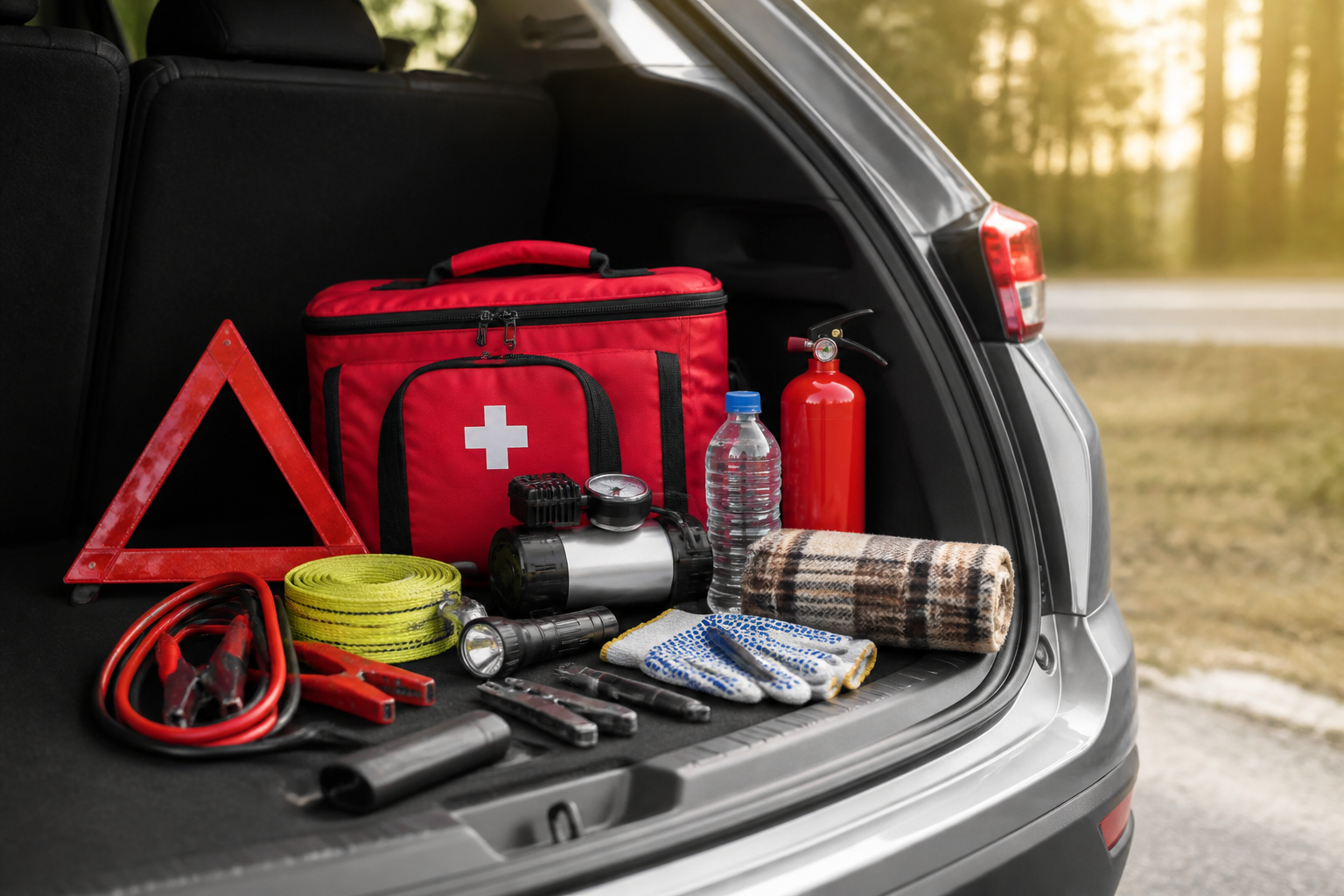
Keeping a few essential emergency items in your vehicle can make an inconvenient situation much easier to manage. A flat tire, dead battery, sudden weather change, minor injury, or unexpected delay is far less stressful when you already have the right tools on hand. The goal is not to turn your car into a survival shelter. It is to create a practical, organized kit that helps you handle common roadside problems calmly and safely.
This guide covers the most useful emergency items to keep in your vehicle, why they matter, and how to choose versions that fit your driving habits, climate, and passenger needs. Whether you commute daily, take long road trips, or simply want a more prepared car, a well-planned emergency kit can save time and reduce risk.
Why Every Vehicle Should Carry an Emergency Kit
Roadside issues rarely happen at a convenient time. You might be dealing with poor weather, low visibility, traffic, or limited phone battery when your car stops running properly. Emergency items can help you wait safely, signal for help, protect yourself from the elements, and address simple problems without making the situation worse.
A good vehicle emergency kit is also about confidence. Drivers who know they have the basics close at hand may be better prepared to make careful decisions instead of rushing. That can matter whether you are pulling over with a tire problem, waiting for a tow, or helping a passenger who feels unwell.
The Core Emergency Items to Keep in Your Vehicle
Not every kit needs to be identical, but certain items are especially useful in most vehicles. Start with the basics below, then customize based on your climate, driving distance, and passengers.
1. Jumper Cables or a Portable Jump Starter
A dead battery is one of the most common vehicle problems drivers encounter. Jumper cables allow you to use another vehicle’s battery to start yours, while a portable jump starter can work without a second car. Both options can be useful, but they serve slightly different needs.
What to consider:
- Jumper cables: Generally compact and simple, but they require another vehicle and basic knowledge of correct connections.
- Portable jump starters: Convenient for solo drivers, but they should be charged regularly and stored according to the manufacturer’s instructions.
For many drivers, a portable jump starter is especially practical if they often park in isolated places or travel alone. Jumper cables are still worthwhile as a backup or budget-friendly option.
2. Tire Repair and Inflation Tools
Tire problems can range from a slow leak to a complete flat. At minimum, keep a spare tire in good condition if your vehicle includes one. Add the tools needed to change it safely, such as a jack and lug wrench. If your vehicle does not have a spare, a tire inflator or sealant kit may be useful for temporary assistance, depending on your vehicle type and the manufacturer’s guidance.
Important features to look for:
- Easy-to-read pressure gauge: Helps with basic inflation checks.
- Compact storage: Useful when trunk space is limited.
- Compatibility: Check whether a sealant or inflator is appropriate for your tire and wheel system.
It is also a good idea to practice removing the spare and using the jack in a safe, non-emergency setting. Many drivers discover their tire tools only after a breakdown, which can slow things down when it matters most.
3. Reflective Warning Triangle or Road Flares
If you need to stop on the roadside, visibility matters. A reflective warning triangle or road flare can help other drivers notice your vehicle from a distance, especially at night, in rain, or in fog. This can be particularly important on highways or roads with narrow shoulders.
Buying considerations:
- Visibility: Look for bright, highly reflective materials.
- Stability: Triangles should stay upright in wind or passing traffic.
- Storage: Foldable or compact designs are easier to keep in the car long term.
Some drivers keep both triangles and a flashlight for layered visibility. The main goal is to help approaching motorists notice that your vehicle is stopped.
4. Flashlight and Extra Batteries
A flashlight is one of the simplest but most useful emergency items to keep in your vehicle. It helps you inspect tires, read labels, find items in the dark, and signal for assistance. A headlamp can be even more useful than a handheld flashlight because it keeps your hands free.
What to look for:
- Reliable power source: Battery-powered lights are easy to store, but rechargeable options can also work well if you remember to charge them.
- Durability: Choose a light that can tolerate being stored in a car.
- Extra batteries: Keep them in a sealed container if the flashlight uses replaceable batteries.
A flashlight should be checked periodically. Car storage conditions can be hard on batteries, so it helps to test the light from time to time.
5. First Aid Kit
A basic first aid kit can help you manage minor cuts, scrapes, or discomfort until you can get proper care. Keep it simple and practical. Look for a kit that includes adhesive bandages, gauze pads, antiseptic wipes, medical tape, disposable gloves, and basic wrapping materials.
Helpful features:
- Clear organization: Makes items easier to find in a hurry.
- Compact case: Helps keep the kit accessible without taking too much space.
- Restock-friendly design: Useful when items are used or expire.
If you travel with children, older adults, or pets, you may want to tailor the contents to their likely needs. Keep in mind that a vehicle first aid kit is for basic support, not a replacement for professional medical care.
6. Drinking Water and Shelf-Stable Snacks
Getting stuck in traffic, waiting for a tow, or dealing with a delay can become much harder if you are thirsty or hungry. Keep a small supply of drinking water and shelf-stable snacks in your vehicle, especially if you drive long distances or in extreme weather.
Practical tips:
- Choose sealed water bottles or a container that is easy to replace regularly.
- Pick snacks that are unlikely to melt, crush, or spoil quickly.
- Store items where they are easy to reach but protected from unnecessary heat and sunlight.
Refresh these supplies regularly so they stay suitable for use. High heat can affect many food items more quickly than people expect.
7. Warmth and Weather Protection
Weather can change quickly, and a vehicle can become uncomfortable if you are waiting for help in cold, wind, rain, or snow. A simple blanket, emergency thermal blanket, or spare layer of clothing can make a significant difference in comfort. In warmer climates, a small towel, hat, or sun protection item may also be useful.
Items to consider:
- Blanket or thermal blanket: Helpful for staying warm while waiting.
- Rain poncho: Useful if you need to step out of the car in wet weather.
- Gloves and hat: Especially practical in winter.
The best choice depends on where you drive. A winter commuter kit will look different from a kit built for hot-weather travel.
8. Phone Charger and Backup Power
Your phone is one of your most important emergency tools because it helps you call for roadside assistance, family, or emergency services when needed. Keep a car charger in the vehicle and consider a backup battery bank as well.
Buying considerations:
- Compatibility: Make sure the charger fits your phone model and charging port.
- Charging speed: A faster charger can be useful in short trips.
- Durability: A well-made cable may last longer under regular use.
A backup power bank can be especially helpful if you spend long hours away from home or drive in areas where charging opportunities are limited. Just remember to recharge the power bank regularly.
9. Basic Tools
A small set of tools can help with minor fixes or simple adjustments. You do not need a full workshop, but a few essentials are often worth carrying. Common choices include a multipurpose screwdriver, adjustable wrench, pliers, and a utility knife stored safely.
What matters most:
- Usefulness: Pick tools you are likely to use rather than a large random set.
- Quality: Basic reliability is more valuable than extra pieces you may never need.
- Storage: Keep tools in a pouch or case so they do not roll around the car.
For many drivers, a compact tool kit is enough to tighten loose accessories, adjust small components, or assist with minor roadside tasks.
10. Emergency Cash and Identification
Digital payment is convenient, but it is not always available. A small amount of emergency cash can help with tolls, fuel, parking, or unexpected purchases when electronic options are unavailable. Keep it discreet and secure.
Also keep a copy of important information, such as roadside assistance contact numbers, insurance details, and vehicle registration information. If possible, store copies in a waterproof pouch or another protected container.
Important note: Do not leave sensitive documents in plain view. Your goal is accessibility, not attracting attention.
Optional Emergency Items That Can Be Worth Adding
Once the basics are covered, you may want to add a few items based on your driving habits and local conditions. These are not required for every driver, but they can be very helpful.
Work Gloves
Work gloves can protect your hands when handling a hot engine part, dirty tire, or rough roadside object. They are particularly useful if you might need to change a tire or move debris.
Ice Scraper and Small Brush
Drivers in cold climates should keep an ice scraper and snow brush in the car during winter. Clear windows and mirrors are essential for visibility, and snow buildup can make even a short trip risky.
Multi-Tool
A compact multi-tool can be useful for small, practical tasks. Choose one with features you may actually use, such as a knife blade, pliers, screwdriver, or bottle opener. Check local regulations if applicable.
Sealable Bags or Storage Pouches
Small bags help organize first aid items, chargers, and batteries. Organization matters because emergency situations are stressful enough without searching through loose items in the trunk.
Pet Supplies
If you travel with pets, consider water, a collapsible bowl, waste bags, and any comfort item that helps keep them calm. Pet needs can become urgent quickly during delays or hot weather.
How to Choose the Right Emergency Items for Your Vehicle
The best kit is not necessarily the largest one. It is the one that fits your vehicle, route, and environment. A driver in a city may need different items from someone who regularly drives long rural roads or travels through snow.
Think About Your Climate
Cold regions call for blankets, gloves, hat, and ice tools. Hot climates may call for extra water, sun protection, and a charger you can rely on. Rainy areas make visibility items and waterproof storage more important.
Think About Your Driving Pattern
If you drive mostly short distances near home, your kit may be compact and focused on the basics. If you commute far, drive at night, or take road trips, it makes sense to add more redundancy, such as an extra charger or backup light.
Think About the People in the Vehicle
A family vehicle may need different supplies than a solo commuter car. Children, seniors, or people with specific medical or comfort needs may require extra planning, but personal items should be chosen carefully and stored appropriately.
Common Mistakes When Building a Vehicle Emergency Kit
Some drivers buy a kit once and never revisit it. Others overpack with items they will never use. The best approach is practical maintenance and realistic selection.
- Buying too much and storing it poorly: A crowded trunk can make emergency items hard to reach.
- Forgetting to check expiration dates: First aid supplies, food, batteries, and some sealants may need regular replacement.
- Not knowing how to use the items: A tool is only helpful if you understand it well enough to use it safely.
- Leaving items unorganized: A clear, labeled storage bag or box saves time in stressful situations.
- Ignoring vehicle-specific needs: Not all tires, batteries, and storage spaces are the same.
How to Store Emergency Items in Your Car
Storage is just as important as the items themselves. A good emergency kit should be easy to reach, protected from clutter, and stored in a way that reduces damage from heat, cold, and movement.
Practical storage tips:
- Use a sturdy bag, box, or organizer that fits in your trunk or cargo area.
- Keep the most important items easy to access.
- Separate fragile items from heavy tools.
- Avoid loose storage that allows items to slide around while driving.
- Check the kit regularly so you know what needs replacing.
If your car has limited space, focus on compact versions of the essentials rather than a large all-purpose kit. A smaller kit that stays organized is often more useful than a larger one that gets ignored.
How Often to Review Your Kit
Emergency supplies should not be treated as a one-time purchase. Review your kit several times a year, and especially before seasonal changes or long trips. Check batteries, food, water, first aid items, and any tools that may have gone missing from the vehicle.
It is also helpful to remind yourself where everything is stored. In a stressful moment, familiarity matters. If another family member drives the vehicle, they should know where the kit is and how to use the most important items.
Frequently Asked Questions
What are the most essential emergency items to keep in a vehicle?
The most useful basics usually include jumper cables or a jump starter, tire tools, a flashlight, a first aid kit, a reflective warning triangle, a phone charger, water, and a warm layer or blanket. From there, you can add items based on climate and travel habits.
Should I buy a pre-made car emergency kit or build my own?
Either can work. A pre-made kit is convenient and can be a good starting point, but building your own lets you choose higher-quality or more relevant items. Many drivers prefer to start with a kit and then personalize it.
How many emergency supplies should I keep in my vehicle?
Enough to handle a common breakdown or delay comfortably, but not so many that the kit becomes hard to manage. The right balance depends on your vehicle size, climate, and how far you usually drive.
Do emergency items expire or need replacement?
Yes, some do. First aid supplies, batteries, food, water, and sealants may need regular replacement or inspection. It is a good habit to review your kit periodically rather than assuming everything remains usable.
Where should I keep emergency items in the car?
Store them in a secure, easy-to-reach place such as the trunk, cargo area, or a designated organizer. Items should not block visibility, interfere with safe driving, or shift around during travel.
Conclusion
Keeping essential emergency items in your vehicle is a simple way to improve preparedness without overcomplicating your daily driving routine. Start with the basics: power, light, tire support, first aid, visibility, water, warmth, and phone charging. Then customize your kit for your climate, vehicle, and travel patterns.
The best emergency kit is practical, organized, and maintained regularly. By reviewing your supplies and choosing items you can realistically use, you create a car setup that is better prepared for common roadside situations. That preparation can help you stay safer, calmer, and more in control when unexpected problems occur.