Introduction
Home organization looks simple from the outside: buy a few bins, sort the clutter, label everything, and enjoy a calmer space. In real homes, though, organization often fails for a different reason. The problem is not that people do nothing. It is that they organize in ways that are too complicated, too rigid, too expensive, or not suited to how the household actually lives.
If you have ever cleaned out a drawer only to have it messy again a week later, you are not alone. Most organization problems come from avoidable mistakes rather than a lack of effort. Choosing the wrong products, creating systems that are hard to maintain, and storing items in inconvenient places can all make a home feel even more chaotic.
This guide covers the most common home organization mistakes to avoid and explains how to make smarter choices instead. Whether you are organizing a small apartment, a family home, or a busy shared space, the goal is the same: build simple systems that save time, reduce frustration, and are easy to keep up over the long term.
1. Buying storage before sorting your belongings
One of the biggest home organization mistakes to avoid is purchasing bins, baskets, and drawer dividers before you know what you actually need to store. It is tempting to start with shopping because containers feel like progress. But storage products should solve a problem, not create one.
When you buy containers first, you may end up with organizers that are too large, too small, or the wrong shape for the items you own. You may also spend money on matching sets when a few simple solutions would work better.
What to do instead
- Sort items into categories before buying anything.
- Measure shelves, drawers, and cabinet spaces carefully.
- Take note of what needs to be accessed often and what can be stored away.
- Choose storage after you understand the volume and shape of your belongings.
A practical storage choice starts with the items, not the container. This approach helps you avoid overbuying and creates a system that fits your daily routines.
2. Choosing containers that look neat but do not work well
Pretty storage products are popular for a reason. Clean lines and matching bins can make a space look more organized immediately. But appearance alone is not enough. One of the most common buying mistakes is choosing attractive containers that are difficult to use.
For example, a lidded bin may hide clutter, but if the lid is hard to remove, people may stop using it. Deep baskets may hold a lot, but they can make smaller items disappear at the bottom. Decorative boxes can look tidy on a shelf while making everyday access less convenient.
Features that matter more than appearance
- Accessibility: Can you reach and replace items quickly?
- Visibility: Can you tell what is inside without opening everything?
- Size and shape: Does the container fit the space and the contents?
- Durability: Will it hold up to regular use?
- Ease of cleaning: Can it be wiped down or maintained easily?
When choosing storage products, think about use first and style second. The best home organization solutions are the ones people will actually keep using.
3. Making systems too complicated
Another major mistake is creating a system that requires too many steps. A highly detailed organization setup may seem ideal on paper, but it often breaks down in real life. If every item needs to be folded a certain way, labeled in a particular format, and returned to a precise spot, the system may be too fragile to survive a busy week.
This problem happens often in kitchens, closets, playrooms, and entryways. The more rules a system has, the less likely everyone in the home is to follow it consistently.
A simpler approach works better
Instead of designing a perfect system, look for one that is easy to maintain. Good organization should reduce effort, not add more of it.
- Use broad categories rather than overly specific ones.
- Keep frequently used items easy to reach.
- Limit the number of storage steps required to put something away.
- Make sure every household member can understand the system.
If a setup feels impressive but is hard to sustain, it may not be the right solution. Simplicity is often the most effective buying and organizing strategy.
4. Ignoring how people actually use the space
A home organization plan should reflect daily habits, not an ideal version of life. One of the most avoidable mistakes is arranging storage around how you think you should behave instead of how you really live. A system that looks great in a photo may fail if it does not fit school drop-offs, work schedules, cooking routines, or shared family use.
For example, if children are expected to put toys in a high shelf, the setup is probably unrealistic. If coffee supplies are stored far from the coffee maker, the morning routine becomes more difficult. If cleaning tools are tucked away in an inconvenient location, they are less likely to be used.
Questions to ask before buying any organizer
- Who will use this space most often?
- How often are items taken out and put back?
- What needs to be fast and easy?
- What tends to get left out because it is inconvenient to store?
Good organization supports real habits. It should fit the way your household functions, not the way a catalog display looks.
5. Overfilling drawers, shelves, and bins
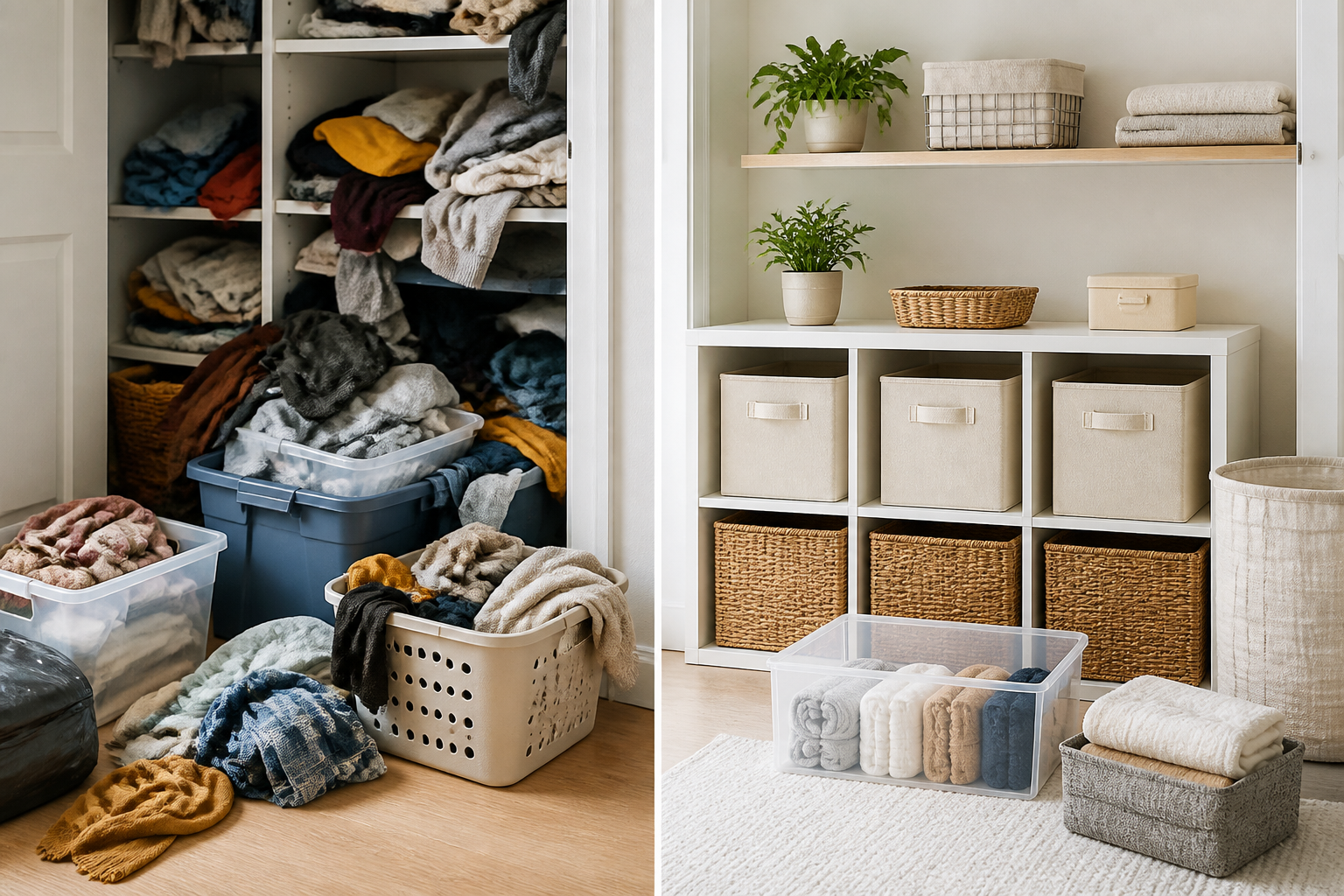
Even the best storage product stops working when it is packed too tightly. Overfilling is one of the most common home organization mistakes to avoid because it makes items hard to see, hard to remove, and hard to return neatly. A stuffed bin does not feel organized for long.
This happens when storage is used to hide too much at once. The result is a container that becomes a dump zone instead of a functional system. When people cannot find what they need quickly, they may buy duplicates or start leaving things elsewhere.
How to avoid overcrowding
- Leave some open space in each bin or drawer.
- Use multiple smaller organizers rather than one overloaded container.
- Reassess items regularly and remove what is no longer needed.
- Do not treat every available inch as a place to store more.
Storage should make items easier to access, not simply compress more clutter into a smaller area.
6. Forgetting to measure before purchasing
Many organization products are returned or wasted because they do not fit the intended space. This is one of the most practical mistakes to avoid, especially when buying shelf bins, drawer dividers, closet systems, or under-sink organizers.
It is easy to guess at dimensions and hope for the best, but small differences in width, depth, and height can make a product unusable. Pipes, hinges, cords, and shelf lips can also affect fit in ways that are easy to overlook.
What to measure
- Width, depth, and height of the storage area.
- Usable interior space, not just the outside dimensions.
- Clearance needed for lids, handles, and doors.
- Obstacles such as plumbing, outlets, and trim.
Measuring first helps you avoid frustration and makes shopping much more efficient. It is one of the simplest ways to choose the right organizing products.
7. Buying too many matching sets
Matching organization sets can look polished, but they are not always the most useful choice. A common mistake is assuming that every area of the home needs a coordinated system of identical containers. In practice, different spaces usually need different solutions.
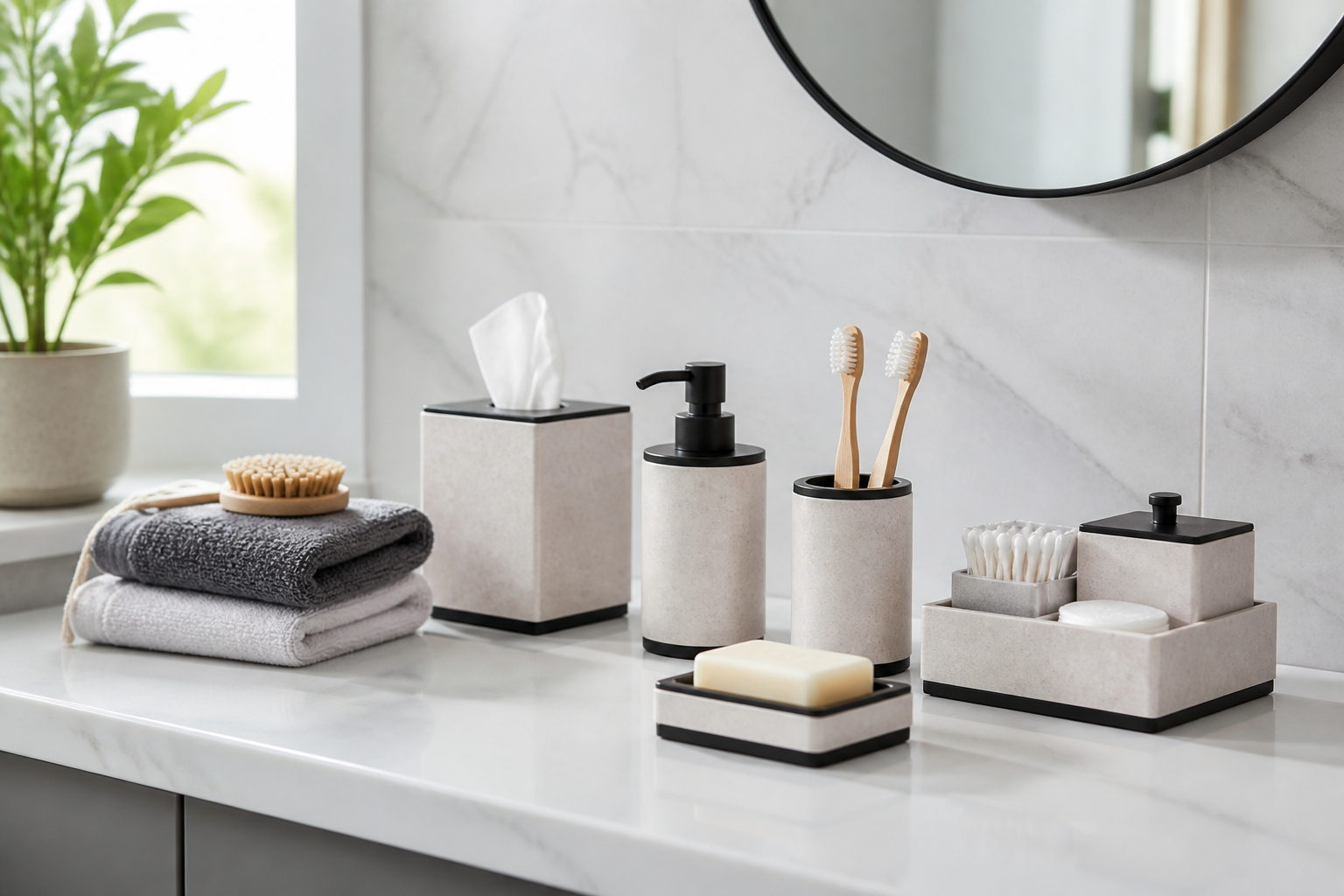
Kitchen drawers may benefit from shallow trays. Closets may need hanging shelves or stackable bins. A bathroom may need moisture-resistant organizers. An entryway may require open access for shoes, bags, and keys. Using one style everywhere can limit flexibility.
When matching sets make sense
- When a uniform look matters and the items are similar in shape.
- When stacking or shelving requires consistent dimensions.
- When you want easy labeling across multiple containers.
When mixed solutions work better
- When storage needs vary from room to room.
- When some items need open access and others need concealment.
- When the space has unusual dimensions.
The goal is not visual perfection. It is a system that works well and can adapt to the contents of each room.
8. Storing things in the wrong place
Organization fails quickly when items are stored far from where they are used. This is a common mistake in kitchens, bathrooms, laundry rooms, and family spaces. If a storage location adds extra steps, people are more likely to skip it.
For example, trash bags belong near the trash can, not in a distant closet. Chargers should be near the devices that need them. Extra towels should be accessible from the room where they are used. Seasonal items can be stored farther away, but daily essentials should stay close at hand.
A simple rule for placement
Ask whether the item should be stored based on frequency of use. Everyday items should be easy to reach. Occasional items can be stored higher, lower, or farther away. Rarely used items can go in the least convenient space.
Good placement reduces friction. When a system is convenient, it is more likely to last.
9. Not leaving a reset routine
Many people organize successfully once, then wonder why the system falls apart. The missing piece is often a reset routine. Organization is not only about setup. It is also about maintenance.
If there is no clear plan for putting items away at the end of the day or week, small messes can grow quickly. Even the most practical bins and labels cannot replace a simple habit of reset and review.
Helpful reset habits
- Spend a few minutes each evening returning essentials to their places.
- Set a weekly check-in for problem areas like counters, entry tables, and toy zones.
- Keep donation or discard boxes available for items that no longer belong.
- Make it easier to reset than to leave things out.
A realistic routine is often more valuable than buying another organizer. The best systems are easy to maintain without major effort.
10. Organizing without decluttering first
It is hard to organize too many things well. If a space contains items that are broken, duplicated, unused, or no longer needed, storage products can only do so much. One of the most important home organization mistakes to avoid is trying to organize clutter instead of reducing it.
Decluttering does not mean getting rid of everything. It means deciding what deserves space in the home. When you keep only what is useful, meaningful, or necessary, organizing becomes easier and more effective.
Signs a space needs decluttering before organizing
- Drawers are full but still feel chaotic.
- You own duplicates you forgot about.
- Items are stored in multiple places because there is no clear category system.
- Containers are packed with things you rarely use.
Once the excess is removed, storage choices become clearer. You can buy fewer products and create a system that is much easier to manage.
Practical buying considerations for home organization products
When you are shopping for organization products, it helps to think beyond appearance and focus on function. The right item depends on the room, the contents, and the habits of the household.
Look for products that fit the use case
- Open bins and baskets: Often useful for frequently accessed items.
- Drawer inserts and dividers: Helpful for small items that otherwise shift around.
- Stackable containers: Good when vertical space matters, as long as the lower items remain accessible.
- Labels: Useful for shared spaces, seasonal storage, and categories that are easy to confuse.
- Adjustable organizers: Helpful when storage needs may change over time.
Think about long-term use
- Choose materials that suit the room conditions.
- Consider whether the organizer can be cleaned easily.
- Make sure the product is simple enough for everyone to understand.
- Avoid products that solve only a short-term problem but create more work later.
In many homes, the best organizing products are not the most expensive or decorative ones. They are the ones that make daily life smoother.
Who may benefit from a simpler organization approach
A straightforward approach to home organization can help many types of households. It is often especially useful for people who feel overwhelmed by too many storage choices or who have tried detailed systems that did not last.
- Busy families that need fast, clear storage routines.
- People living in small homes or apartments where space is limited.
- Households with shared spaces that need easy-to-follow categories.
- Anyone who wants a tidier home without turning organization into a major project.
If a system is easy to explain, easy to maintain, and easy to shop for, it is more likely to support long-term order.
Frequently Asked Questions
What is the biggest home organization mistake people make?
One of the biggest mistakes is buying storage products before decluttering and measuring the space. Without those first steps, it is easy to choose organizers that do not fit the actual need.
Should I buy matching storage containers for every room?
Not necessarily. Matching containers can look neat, but different rooms often need different solutions. Function should guide the choice more than appearance.
How do I know if an organization system is too complicated?
If the system takes too many steps, is hard for others to understand, or requires constant correction, it may be too complicated. A good system should feel easy enough to maintain during normal routines.
Is it better to declutter first or buy organizers first?
Decluttering first is usually the better approach. It gives you a clearer picture of what needs to be stored and prevents unnecessary purchases.
How can I keep a home organized without spending a lot?
Start with what you already have, measure before buying, choose simple storage, and focus on routine maintenance. Often, better planning matters more than buying more products.
Conclusion
Home organization does not have to be complicated, expensive, or perfect. In many cases, the real problem is not lack of effort but avoidable mistakes: buying storage too early, choosing style over function, overfilling containers, ignoring routines, and creating systems that do not match how the household actually lives.
The most effective organization choices are usually the most practical ones. Measure first, declutter before buying, keep systems simple, and place items where they are truly used. When you focus on function instead of perfection, your home is more likely to stay organized in a way that feels natural and manageable.
If you are rethinking your space, use this guide as a checklist for smarter decisions. Avoiding a few common mistakes can save time, reduce clutter, and make everyday life much easier.