Introduction
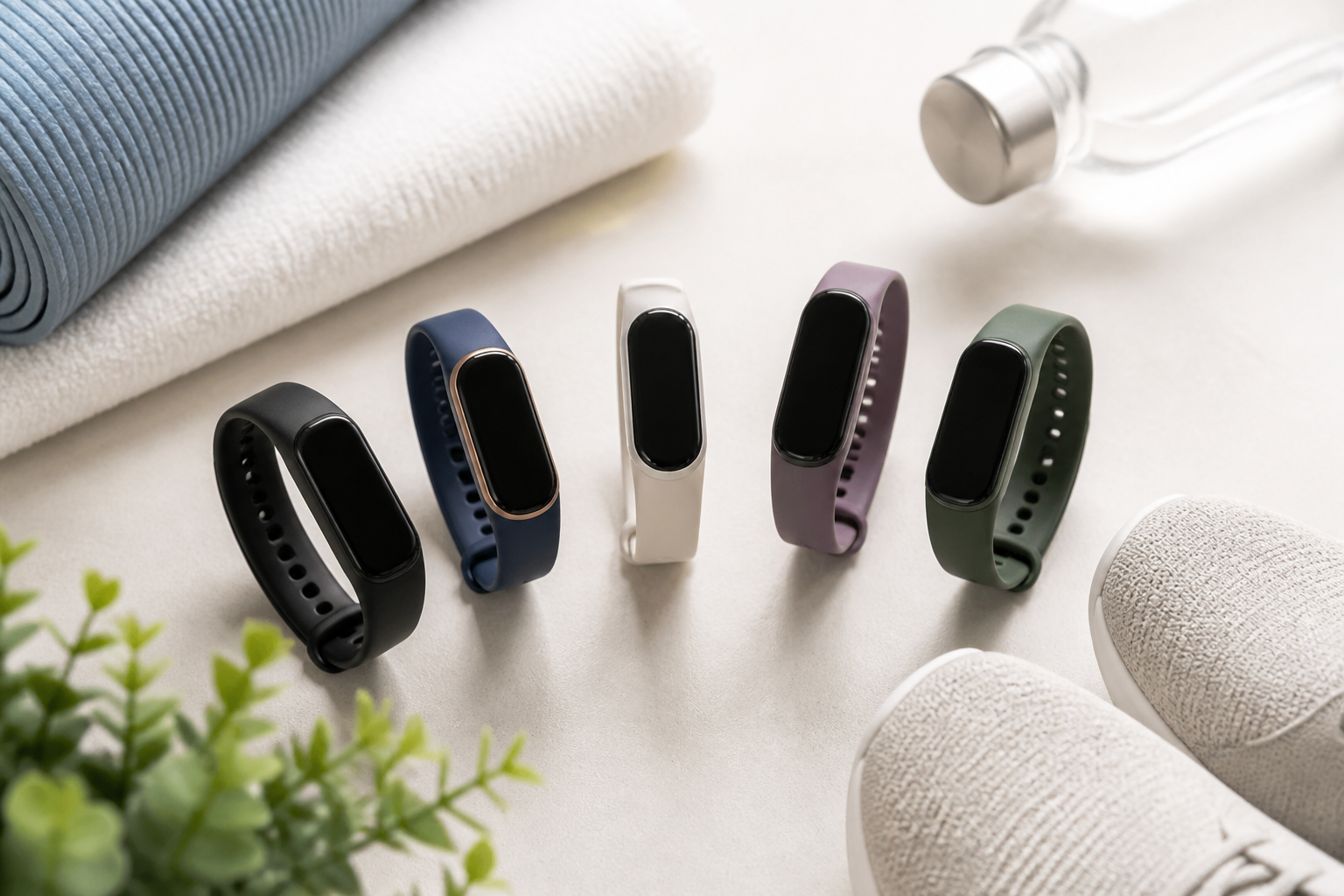
A fitness band can be one of the simplest ways to keep an eye on your daily movement, sleep, and general activity habits. For many people, the appeal is not about advanced sports training or complex health data. It is about having a lightweight device that quietly tracks steps, reminders, workouts, and basic wellness metrics without getting in the way of daily life.
If you are trying to choose a fitness band for everyday activity tracking, the best option is usually not the one with the most features. It is the one that fits your routine, feels comfortable enough to wear all day, and gives you the information you actually plan to use. A good band should support your habits rather than add friction to them.
This guide walks through the main things to consider before buying, from comfort and battery life to app quality and durability. It is written to help you compare options in a practical, neutral way so you can choose a fitness band that suits your needs.
What Everyday Activity Tracking Really Means
Before comparing bands, it helps to define what everyday activity tracking usually includes. For most people, this means monitoring movement throughout the day rather than focusing only on workouts. A fitness band may help track step counts, active minutes, heart rate trends, sleep patterns, reminders to move, and sometimes basic exercise sessions.
That makes everyday use different from athletic training. You may care more about comfort, reliability, and battery life than detailed sport analytics. You may also prefer an easy-to-read display, simple alerts, and a companion app that explains information clearly.
When shopping with this use case in mind, think about your actual routine. Do you want to track walks, desk-time movement, sleep, and occasional workouts? Or do you need more detailed performance metrics? The answer will guide which features matter most.
Start With Comfort and Fit
If a fitness band is uncomfortable, you are less likely to wear it consistently. Since everyday activity tracking depends on regular wear, comfort should be one of your top priorities.
Check the band size and adjustability
Look for a band with a strap that adjusts securely without feeling tight. The device should sit snugly enough for sensors to read data, but not so tightly that it becomes distracting during work, errands, or sleep. Some bands come in multiple sizes, while others use flexible straps with several adjustment points.
Consider weight and shape
A slim, lightweight band is often easier to wear throughout the day than a larger device. If you plan to wear it at a desk, during commutes, and overnight, a compact design may feel better. Also pay attention to the shape of the screen and housing. Rounded edges and a low-profile design may reduce irritation during long wear periods.
Think about skin sensitivity
If you have sensitive skin, consider strap material carefully. Some users prefer softer silicone-style straps for everyday wear, while others may want breathable or fabric-like options if available. It is also useful to choose a band that can be cleaned easily, since sweat, dust, and daily grime can build up over time.
Prioritize Battery Life That Matches Your Routine
Battery life is one of the most important practical features in a fitness band. If you need to charge it too often, you may miss data or stop wearing it overnight. For everyday activity tracking, the best battery life is the one that fits your habits without constant attention.
Think about charging frequency
Some people are comfortable charging a device every few days. Others want a band that can last much longer between charges. If you plan to use sleep tracking, continuous heart rate monitoring, or frequent notifications, battery life can drop more quickly. Consider how often you are realistically willing to charge the device.
Balance battery life with features
Long battery life is useful, but it should not come at the expense of the features you actually need. A band with fewer functions may last longer, but if it lacks useful reminders, clear tracking, or accurate syncing, it may not feel worthwhile. Look for a balance between endurance and functionality.
Choose the Tracking Features You Will Actually Use
Many fitness bands advertise a long list of features. The challenge is deciding which ones support everyday activity tracking and which ones are simply nice to have. The best approach is to focus on the features you will check regularly.
Step tracking and daily movement
Step counting is one of the most common reasons people buy a fitness band. If this is your main goal, pay attention to how the band presents daily progress. A clear display and easy-to-read app can make it simpler to understand whether you are moving enough during the day.
Heart rate monitoring
Continuous or on-demand heart rate tracking can add context to your activity data. It may help you understand how your body responds to walking, exercise, stress, or rest. For everyday use, you do not necessarily need advanced metrics, but a band with steady heart rate tracking may offer a more complete picture of your routine.
Sleep tracking
Sleep tracking is often useful for people who want to understand how activity, routine, and rest connect. If you want to see sleep duration and general sleep patterns, make sure the band can track overnight wear comfortably and consistently. A band that feels intrusive at night may not be the right choice, even if its data looks promising.
Workout modes
If you occasionally exercise, check whether the band supports the activities you do most often. Some bands offer basic modes for walking, running, cycling, or general workouts. If you mostly want to track everyday motion, you may not need a wide range of sport-specific modes, but a few reliable options can still be helpful.
Reminders and activity nudges
Simple reminders to move, drink water, or stand up can be valuable in a daily routine. These features can support habit-building without requiring you to check the band constantly. If you spend long hours seated, a band with customizable reminders may be especially useful.
Look at Screen Quality and Readability
The screen is one of the most visible parts of a fitness band, and it affects how pleasant the device is to use throughout the day. A good screen should be readable at a glance, especially if you want to check steps, notifications, or workout progress quickly.
Display size and clarity
A larger screen may show more information at once, but it can also make the band bulkier. A smaller screen may look more discreet but may be harder to read. Try to find a balance that suits your preferences. Text should be clear enough to read without straining, especially outdoors or in bright light.
Touch response and navigation
If the band uses a touch screen, it should respond smoothly and be easy to navigate. Slow menus or confusing layouts can make the device frustrating to use. For everyday tracking, a simple interface is often better than one packed with menus you rarely need.
Always-on display and brightness
Some fitness bands offer always-on display options or adjustable brightness. These can improve convenience, but they may affect battery life. If you often check your band outside or in different lighting conditions, brightness control can be a meaningful feature.
Check App Quality and Data Presentation
The band itself is only part of the experience. In many cases, the companion app matters just as much because it is where your activity history, trends, and summaries are displayed. If the app is confusing or unreliable, the overall experience may feel disappointing even if the hardware is good.
Look for clear dashboards
A helpful app should make it easy to see your steps, activity minutes, sleep data, and heart rate trends without extra effort. Clean charts, simple summaries, and straightforward navigation are especially useful for everyday tracking. You want data that feels understandable rather than overwhelming.
Check syncing reliability
If the device does not sync consistently, your records may feel incomplete. Look for signs that the app is designed to connect smoothly with the band and update data reliably. This matters a lot if you plan to use the band as a daily habit tracker.
Consider compatibility
Make sure the band works well with your smartphone and operating system. Compatibility can affect notifications, setup, app access, and data integration. If you use health or activity apps already, it may be worth checking whether the band can share data in a way that fits your current setup.
Think About Durability and Daily Wear
Because you will likely wear a fitness band during chores, commuting, work, and movement, durability matters. Everyday activity tracking only works well if the device can handle the normal wear and tear of daily life.
Water resistance
Water resistance is useful for handwashing, rain, sweat, and general daily use. If you plan to wear the band during workouts or in variable weather, this becomes even more important. Check the manufacturer’s guidance so you know what the band is designed to handle.
Build quality and materials
A band with a sturdy case and secure strap tends to hold up better over time. If possible, look for materials that feel durable without being heavy. A well-built band should feel comfortable but not flimsy.
Screen protection
The display can be one of the most vulnerable parts of the device. If you tend to bump your wrist against desks, bags, or gym equipment, consider whether the screen design offers enough protection for everyday use.
Decide Which Notifications and Smart Features Matter
Many fitness bands go beyond activity tracking and include basic smart features. These can be helpful, but only if they support your routine instead of becoming a distraction.
Call and message alerts
Notifications can be useful if you want to stay aware of important messages without checking your phone constantly. For some people, this is a major convenience. For others, it is just extra noise. Think about whether you want the band to help you stay connected or stay focused.
Calendar, alarm, and timer functions
Simple tools such as alarms, timers, and calendar alerts can be genuinely helpful in everyday life. They may not seem exciting, but they can improve the usefulness of the band if you need gentle reminders during the day.
Music and payment features
Some bands offer controls for music or other smart functions. These can be convenient, but they are not necessary for everyone. If your main goal is activity tracking, do not let extra features distract you from the basics of comfort, battery, and tracking quality.
Set a Realistic Budget and Value Expectation
Fitness bands are available at many price points, so it helps to think in terms of value rather than simply choosing the cheapest or most expensive option. The right band is the one that gives you the combination of features and usability you need.
Focus on long-term usefulness
A low-cost band may seem appealing, but if it is uncomfortable, hard to use, or unreliable, it may not be a good value. On the other hand, a more feature-rich band may be unnecessary if you only want everyday step and sleep tracking. Try to choose based on how often you will actually use the device.
Avoid paying for unused features
It is easy to be impressed by advanced options you may never check. For daily tracking, the smartest purchase is often the simplest one that meets your needs. If you are unlikely to use detailed training metrics, complex coaching tools, or premium extras, you may not need them.
Who a Fitness Band May Suit Best
A fitness band for everyday activity tracking may be a good fit for people who want a lightweight, easy-to-wear device for basic wellness awareness. It can be especially useful if you want to:
- Track steps and general movement throughout the day
- Monitor sleep in a simple, non-invasive way
- Receive reminders to move or stay active
- See basic heart rate and activity trends
- Use a wearable without the size or complexity of a smartwatch
It may be less suitable if you want highly detailed sport analytics, very large on-device apps, or a device that acts like a full phone replacement on your wrist. In that case, a different wearable category may be more appropriate.
Common Buying Mistakes to Avoid
When people choose a fitness band quickly, they often focus on the wrong details. Avoiding a few common mistakes can save you frustration later.
- Choosing for features instead of comfort: A band only helps if you are willing to wear it every day.
- Ignoring the app experience: A poor app can make even good hardware feel less useful.
- Overlooking battery life: Frequent charging can interfere with sleep tracking and daily consistency.
- Buying more than you need: Extra features can add cost and complexity without improving everyday tracking.
- Forgetting about compatibility: A band should work smoothly with your phone and preferred apps.
Practical Tips Before You Buy
A few simple checks can help you narrow down your options before making a decision.
- Make a short feature list: Write down the three or four features you will use most often.
- Think about your wear habits: Decide whether you will wear the band all day, overnight, or only during certain times.
- Check the strap options: Make sure the band can fit securely and comfortably on your wrist.
- Review the app interface: If possible, look at screenshots or setup details to judge how easy the app may be to use.
- Consider charging convenience: Choose a charging routine you can realistically maintain.
Frequently Asked Questions
Do I need a fitness band if I only want basic activity tracking?
Not necessarily, but a fitness band can make basic tracking more convenient. If you want step counts, reminders, and sleep summaries in one place, it may be a practical choice.
What is the most important feature for everyday use?
For many people, comfort is the most important factor because a fitness band must be worn regularly to be useful. After that, battery life and app quality are often the next most important considerations.
Is a bigger screen always better?
Not always. A bigger screen may be easier to read, but it can also make the band heavier or less subtle. The best screen size depends on how you plan to use the device.
Should I choose a band with lots of workout modes?
Only if you will use them. For everyday activity tracking, a few reliable modes may be enough. Extra modes are helpful only when they match your actual routine.
Can a fitness band help me build better habits?
It can support habit awareness by showing daily movement, reminders, and trends over time. However, the most useful band is usually the one that fits naturally into your day rather than demanding constant attention.
Conclusion
Choosing a fitness band for everyday activity tracking is mostly about matching the device to your routine. Instead of chasing the longest feature list, focus on comfort, battery life, clear data, dependable syncing, and the few tracking tools you will actually use. If the band feels comfortable, is easy to read, and fits your daily habits, you are more likely to wear it consistently and get value from it over time.
The best buying decision is often the one that keeps things simple. Start with your goals, compare the practical features, and choose a fitness band that supports your everyday life without becoming a burden.