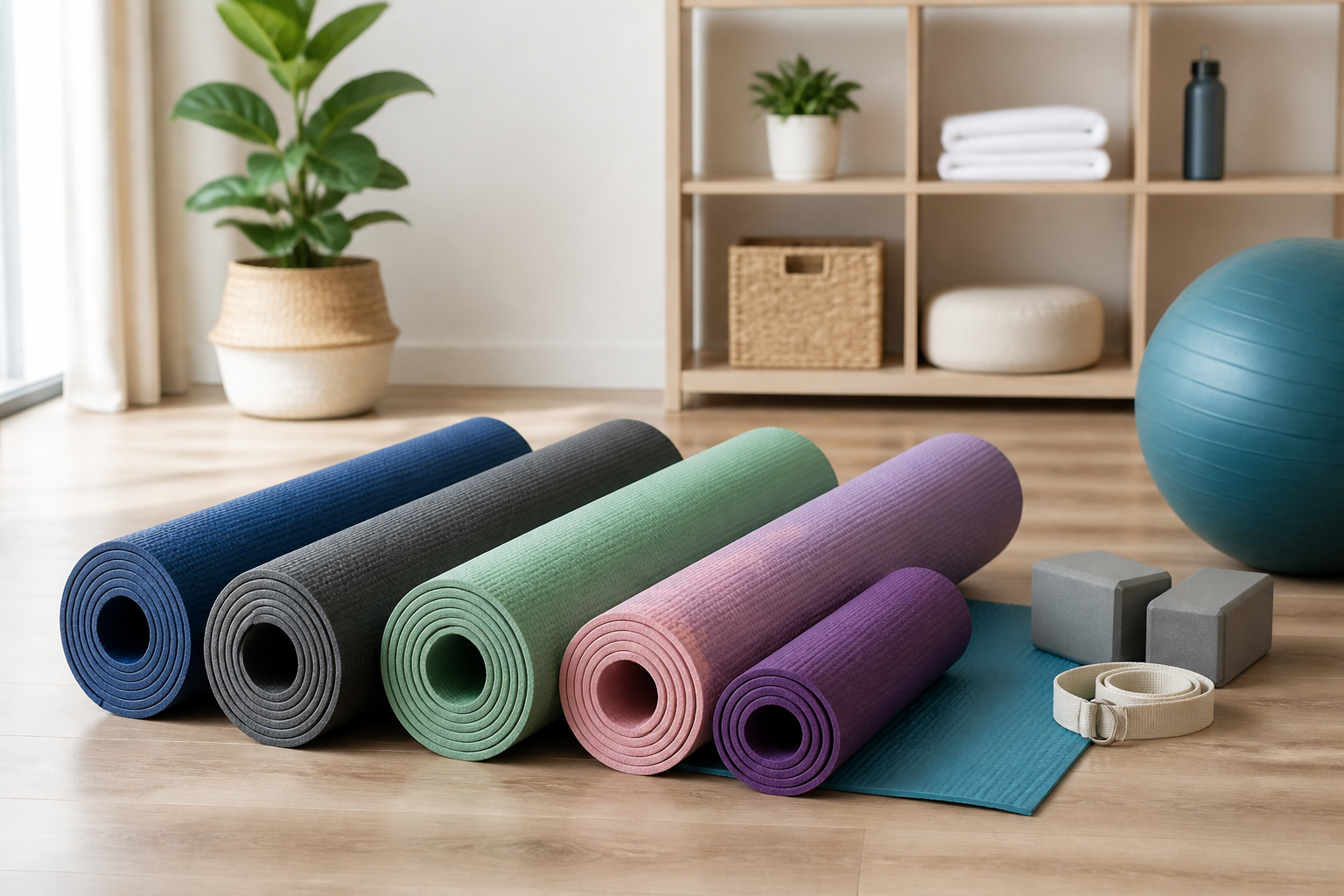
Choosing a yoga mat for home exercise may seem simple at first, but the right mat can make a noticeable difference in comfort, stability, and how often you actually use it. A mat that feels too thin, too slippery, too narrow, or difficult to clean can turn a home workout into a frustrating experience. On the other hand, a mat that fits your practice well can make stretching, yoga flows, bodyweight workouts, and mobility sessions feel more natural and enjoyable.
This guide focuses on practical buying considerations so you can choose a yoga mat for home exercise with confidence. Instead of looking for the “best” mat in general, it helps to match the mat to your space, your routine, and the type of movement you plan to do most often.
Start With How You Plan to Use the Mat
The first step in choosing a yoga mat is understanding how you will use it at home. Different workouts place different demands on a mat, and those needs should guide your decision.
For gentle yoga and stretching
If your main use is yoga, stretching, breathing exercises, or low-impact mobility work, comfort and traction often matter most. A mat with enough cushioning for seated poses and kneeling positions may feel better during longer sessions. Many home users prefer a mat that is stable enough for balance poses without feeling overly soft.
For mixed home workouts
If you plan to use the mat for yoga plus bodyweight exercises such as planks, push-ups, core work, or light cardio, you may want a mat that is more durable and stable under repeated pressure. In this case, grip and resilience can matter more than very plush cushioning.
For beginners
Beginners often benefit from a mat that feels supportive, easy to clean, and dependable on different floor surfaces. If you are still learning positions and transitions, a mat with a steady surface can help you focus on movement instead of sliding around.
Consider Thickness Carefully
Thickness is one of the most important features in a yoga mat, but there is no single ideal number for every home exercise routine. The right choice depends on comfort preferences, balance needs, and the type of flooring in your home.
Thin mats
Thinner mats can help create a more grounded feel, which some people prefer for standing poses and balance work. They may also feel lighter and easier to roll up. However, they offer less cushioning for knees, wrists, hips, and elbows, especially on hard floors.
Mid-thickness mats
Mid-thickness mats are often a practical choice for home exercise because they balance comfort and stability. They usually provide enough padding for common yoga poses and light workouts while still allowing you to feel connected to the floor.
Thick mats
Thicker mats can feel more comfortable for floor-based movement and longer sessions on hard flooring. They may be helpful if you do a lot of kneeling or seated work. The tradeoff is that extra cushioning can sometimes reduce stability for balance poses or make certain standing positions feel less secure.
If you are unsure, a mid-range thickness is often the safest place to start for general home exercise use.
Pay Attention to Grip and Surface Texture
Slip resistance is important in a home workout mat, especially if you move through poses that involve downward pressure from hands and feet. A mat that slides around or feels slick can affect confidence during practice.
Texture and traction
Some mats have a lightly textured surface that helps with grip, while others rely on the material itself for traction. A subtle texture can be useful if your hands tend to shift during poses, but too much texture may feel distracting or uncomfortable for certain routines.
Moisture and sweat
If your home workouts tend to get warm or sweaty, look for a mat that is known for dependable grip under moisture. A mat that performs well in dry conditions may behave differently when damp. For this reason, it helps to read product descriptions carefully and choose a mat suited to your workout style rather than assuming all mats grip the same way.
Choose the Right Size for Your Body and Space
Many people focus on material and thickness but overlook size. A yoga mat that is too short or narrow can feel limiting, especially if you are taller or like to move freely through transitions.
Length
A mat should give you enough room to stretch out comfortably in poses such as lying flat, extending your arms overhead, or moving through a full sequence. Taller users often prefer a longer mat so their hands and feet remain on the surface during basic movements.
Width
A wider mat can provide a more spacious feel, which is helpful for home exercise routines that include side lunges, arm movements, or general floor work. However, a larger mat also takes up more storage space and may be less convenient if your workout area is small.
Space at home
Think about where you will use the mat most often. If you plan to exercise in a living room, bedroom, or shared space, measure the area before buying. Make sure there is enough room not only for the mat itself but also for your arms and legs to move safely around it.
Select a Material That Fits Your Priorities
Yoga mats are made from different materials, and each type has tradeoffs in comfort, grip, durability, and care. Instead of looking for the “best” material overall, consider what matters most to you.
Comfort and cushioning
If your top priority is comfort during kneeling or seated work, choose a material and construction that feels supportive under pressure. Some materials naturally feel softer, while others are firmer and more stable.
Durability
For frequent home exercise, durability matters. A mat that wears out quickly or loses shape can be frustrating over time. Look for descriptions that mention resilience, structure, or resistance to flattening if you plan to use the mat regularly.
Easy cleaning
Home exercise equipment is easier to maintain when cleaning is straightforward. If you expect to use your mat several times a week, choose one with a surface that can be wiped down without much effort. A mat that is easy to keep clean is more likely to stay in regular use.
Odor and storage considerations
Some mats may have a noticeable new-material smell at first. If you are sensitive to odors, this is worth considering before purchase. It can also help to select a mat that stores easily in your home, whether you prefer to roll it, hang it, or slide it into a closet.
Think About Cushioning Versus Stability
One of the biggest decisions when choosing a yoga mat is balancing softness and support. More cushioning is not always better, especially if you need a firm base for standing poses or core work.
A softer mat may feel pleasant on joints and floor exercises, but it can also make it harder to steady yourself in balance-focused movements. A firmer mat may feel less luxurious at first, but many people prefer it because it gives a clearer sense of contact with the floor.
The best approach is to match cushioning to your routine. If you spend a lot of time on hands and knees, you may want more padding. If your practice includes many standing sequences, a more stable surface may be a better fit.
Compare Weight and Portability
Even for home exercise, portability can matter. You may want to move the mat between rooms, take it outside, or store it after each session.
A lightweight mat is easier to carry and roll up, which can be helpful if you exercise in a small apartment or shared home. Heavier mats may feel more substantial and stay put better, but they can be less convenient to move around.
If you expect to transport your mat often, consider how it folds or rolls and whether you are comfortable carrying it regularly. Portability is easy to overlook, but it affects daily use more than many buyers expect.
Match the Mat to Your Flooring
The floor in your home plays a bigger role than many people realize. A mat that works well on carpet may behave differently on hardwood, tile, or laminate.
- Hard floors: Often benefit from more cushioning and good anti-slip backing so the mat stays stable.
- Carpet: May require a mat with better firmness and grip so it does not shift or feel unstable.
- Mixed surfaces: If you move the mat around your home, choose a versatile option that performs reasonably well in different rooms.
If possible, think about your main workout location before choosing thickness and grip. This can help you avoid a mat that looks good on paper but feels awkward in your actual space.
Decide Which Features Are Worth Paying Attention To
When shopping for a yoga mat for home exercise, not every feature needs to be a priority. Focusing on the most useful ones can make the choice easier.
- Non-slip surface: Important if stability matters during yoga or bodyweight exercise.
- Adequate thickness: Helpful for comfort, especially on hard floors.
- Appropriate size: Important for taller users or people who want more room to move.
- Durable construction: Useful for frequent use and long-term value.
- Easy maintenance: Makes it simpler to keep the mat fresh and ready for regular workouts.
It is usually better to choose a mat that does a few important things well than one with many features you may never use.
Common Mistakes to Avoid
Buying a yoga mat can be rushed, especially if you want to start exercising quickly. Avoiding a few common mistakes can save time and frustration.
Choosing based only on looks
Color and design are fine to consider, but they should not be the main deciding factor. A beautiful mat that slips, folds awkwardly, or feels uncomfortable is unlikely to support a regular routine.
Ignoring the type of exercise
A mat that works well for gentle stretching may not be ideal for strength training or energetic flows. Choose based on the movement you expect to do most often.
Overlooking floor type
People sometimes buy a mat without thinking about the surface underneath it. The same mat can feel very different on carpet than it does on tile or wood.
Assuming thicker always means better
Extra cushioning sounds appealing, but too much softness can reduce stability. This is especially important if you want a mat for yoga rather than purely for floor comfort.
Forgetting storage and cleaning
If a mat is awkward to store or difficult to clean, you may be less likely to use it. Convenience matters more than many first-time buyers expect.
Who Each Type of Mat May Suit
Different users tend to prefer different mats. Thinking about your own habits can make the choice easier.
- Beginners: Often do well with a balanced mat that offers moderate cushioning, dependable grip, and simple maintenance.
- Frequent yogis: May prefer a mat with strong traction and durable structure for repeated use.
- People doing mixed home workouts: May want a mat that supports yoga, core exercises, and light bodyweight training without feeling too soft.
- Users with sensitive knees or wrists: May benefit from extra cushioning, though they should still check whether the mat remains stable enough for standing work.
- Tall users: May prefer a longer mat for more room in stretches and transitions.
- Small-space users: May appreciate a lighter mat that rolls compactly and stores easily.
Practical Tips for Choosing Wisely
A few simple habits can help you make a better purchase:
- Measure the space where you will exercise before shopping.
- Think about your most common movements, not just occasional ones.
- Prioritize grip if you practice standing poses or energetic sequences.
- Prioritize comfort if you spend a lot of time kneeling or lying on the floor.
- Choose a mat that fits your storage habits so it is easy to keep nearby.
- Look for straightforward care instructions to make cleaning manageable.
If you can narrow your choices by use case, thickness, and size, the rest becomes much easier.
Frequently Asked Questions
What thickness is best for a yoga mat at home?
There is no single best thickness for everyone. A mid-thickness mat is often a practical choice for home exercise because it balances comfort and stability. If you have very hard floors or spend a lot of time on your knees, you may want more cushioning. If balance is a priority, a firmer mat may feel better.
Should a yoga mat be slippery or sticky?
A good mat should offer enough traction to help you feel stable without making transitions awkward. Some people prefer a slightly tacky feel, while others like a more textured surface. The right choice depends on how you move and whether your workouts are likely to make you sweat.
Is a thicker mat always better for beginners?
Not necessarily. Beginners often need comfort, but too much thickness can make standing poses feel less secure. A moderate mat is often a safer all-around choice than an extremely thick one.
Can I use the same mat for yoga and other workouts?
Yes, many people use one mat for yoga, stretching, core work, and light bodyweight exercise. If you plan to do mixed workouts, look for a mat that offers durability, grip, and enough cushioning for floor exercises without becoming unstable.
How important is mat size?
Size matters more than many people expect. A mat that is too small can feel limiting and distracting. Taller users and anyone who likes more freedom of movement may benefit from a longer or wider mat, as long as the mat still fits the available space.
How do I keep a yoga mat in good condition?
Follow the care instructions that come with the mat, and clean it regularly so sweat and dust do not build up. Store it in a dry place and avoid unnecessary bending or exposure to conditions that may damage the material over time.
Conclusion
Learning how to choose a yoga mat for home exercise comes down to balancing comfort, grip, size, thickness, durability, and convenience. The best mat is not always the most expensive or the most heavily featured one. It is the mat that fits the way you move, the floor you exercise on, and the space you have available.
If you are selecting a mat for regular home use, focus first on the basics: stable traction, suitable cushioning, practical size, and easy care. From there, you can narrow down options based on your routine and preferences. A thoughtful choice can make home workouts feel more comfortable, more consistent, and more enjoyable over time.