Introduction
A good everyday backpack does more than carry your belongings. It can make commuting smoother, keep your essentials organized, and reduce the frustration of digging around for keys, chargers, or a water bottle. Because people use everyday backpacks for so many different tasks, the “right” one depends on how you move through your day, what you carry, and how much comfort and structure you want.
If you are choosing a backpack for work, school, errands, travel, or a mix of all four, it helps to focus on practical features rather than looks alone. A bag that seems stylish at first glance may feel awkward after a week of use if it lacks enough space, comfortable straps, or useful pockets. On the other hand, a well-designed backpack can feel almost invisible in daily life because it simply works.
This guide walks through the key things to consider when selecting an everyday backpack, including size, fit, materials, organization, durability, and special features. It also covers common buying mistakes and offers tips for matching a backpack to your routine.
Start with how you plan to use it
The best way to narrow your choices is to think about your typical day. An everyday backpack for a commuter who carries a laptop and lunch will not need the same layout as one used mainly for classes or quick trips around town. The more clearly you define your routine, the easier it becomes to choose a backpack that actually supports it.
Questions to ask yourself
- What do I carry most days?
- Do I need space for a laptop, tablet, notebooks, a change of clothes, or gym gear?
- Will I use the backpack mostly for commuting, school, travel, or general errands?
- Do I prefer one main compartment or multiple organized pockets?
- Will I often wear it for long periods?
Your answers will help you decide everything from size and shape to strap padding and pocket layout. For example, someone who mostly carries a phone, wallet, water bottle, and a light layer may want a compact, simple backpack. Someone who carries work equipment or school supplies may need a more structured bag with better organization.
Choose the right size and capacity
Backpack capacity is one of the most important factors, but it is also one of the easiest to misunderstand. A larger backpack is not automatically better. If you choose a bag that is too big for your daily needs, it may tempt you to overpack and become bulky or uncomfortable. If you choose one that is too small, you may struggle to fit essentials and end up carrying items by hand anyway.
For everyday use, aim for a size that matches your normal load without leaving too much wasted space. Think about volume in practical terms rather than just numbers. The right size should hold your regular items comfortably while still closing easily and maintaining its shape.
Consider your usual load
- Light daily carry: Phone, wallet, keys, small notebook, compact charger, and water bottle.
- Moderate daily carry: A few books, lunch container, tech accessories, jacket, and bottle.
- Heavier daily carry: Laptop, documents, notebooks, gym clothes, lunch, and multiple accessories.
If you carry a laptop regularly, check that the main compartment and sleeve are sized appropriately for your device. A dedicated laptop sleeve can improve organization, but only if it fits your specific laptop securely. Avoid assuming that all laptop compartments are equally protective or equally sized.
Pay attention to comfort and fit
Comfort matters most when you use a backpack every day. Even a well-organized bag can become unpleasant if the straps dig into your shoulders or the weight sits awkwardly on your back. The best backpack for everyday use should feel balanced when worn, not just when held in your hand.
Straps and padding
Look for shoulder straps that are wide enough to distribute weight and padded enough for regular use. Thin straps may look sleek, but they can become uncomfortable if the backpack is loaded with heavy items. Adjustable straps are essential because they let you position the bag higher or lower on your back depending on your body and comfort preference.
A padded back panel can also make a noticeable difference, especially if you carry hard-edged items like notebooks, chargers, or a laptop. Some backpacks include breathable mesh or contoured panels that improve airflow and help reduce the feeling of a stiff, flat surface against your back.
Weight distribution
A good backpack should distribute weight evenly. Internal structure, strap design, and pocket placement all influence how the load feels. A bag with poor balance may pull backward, shift to one side, or feel heavier than it actually is. This is especially important if you walk or commute for long periods.
If possible, choose a backpack with a shape that keeps items close to your back. That usually helps the bag feel more stable and manageable during daily wear.
Look for practical organization
Organization is one of the features that separates a truly useful everyday backpack from a generic one. Some people prefer a simple layout with one or two large compartments. Others want separate spaces for tech gear, stationery, snacks, and personal items. The right choice depends on how much structure you want to use each day.
Common organization features
- Main compartment: For larger items such as books, jackets, or lunch containers.
- Dedicated laptop sleeve: Helps keep a device separate from other items.
- Front pocket: Handy for quick-access essentials like transit cards, pens, or earbuds.
- Interior organizer panels: Useful for smaller items that might otherwise get lost.
- Side pockets: Often used for water bottles or compact umbrellas.
Before buying, think about how you naturally pack. If you tend to toss everything into one space, a bag with a few smart compartments may help you stay more organized. If you prefer quick access and minimal structure, too many pockets can feel unnecessary or cluttered.
There is also a balance to strike between organization and simplicity. A backpack with too many small compartments may seem helpful online but can become inconvenient if you must open several zippers just to reach everyday essentials.
Select materials based on durability and appearance
Material affects how a backpack looks, how long it lasts, and how easy it is to care for. For everyday use, you want a material that feels appropriate for your routine and can handle regular wear. The best choice is not always the most rugged-looking one; it is the one that fits your needs in a practical way.
What to consider in materials
- Durability: Will the material hold up to daily use, friction, and repeated opening and closing?
- Weight: Some materials are naturally lighter than others, which can matter if you carry the bag all day.
- Maintenance: Some backpacks are easier to wipe clean than others.
- Appearance: Do you want a casual, athletic, or more refined look?
- Weather resistance: Will the bag face rain, humidity, or frequent outdoor use?
Many everyday backpacks use synthetic fabrics because they are often lightweight and practical. Some styles also include water-resistant finishes or coated materials that can help protect contents from light moisture. However, “water-resistant” does not mean waterproof, so it is wise to check how a backpack is described before relying on it in wet weather.
If you want a backpack for office or business-casual settings, you may prefer a cleaner, more structured appearance. If you plan to use the backpack for school or commuting, a more casual material and shape may suit your daily life better.
Check the zippers, seams, and hardware
Small construction details can have a big impact on long-term satisfaction. A backpack may look great from a distance but still feel flimsy if the zippers snag, the stitching appears weak, or the hardware feels cheap. These details matter because you will open, close, lift, and adjust the bag repeatedly.
What to examine closely
- Zippers: Smooth, easy-to-use zippers are important for daily convenience.
- Stitching: Reinforced seams can suggest better overall construction.
- Handles: A strong top handle can make the backpack easier to carry briefly.
- Buckles and clips: If included, these should feel secure and practical.
- Bottom panel: A reinforced base may help the bag keep its shape and handle placement on floors or desks.
Hardware should be functional rather than flashy. The goal is not to find the backpack with the most features, but the one with reliable details that suit everyday wear. If possible, examine product images carefully and read descriptions closely to see whether construction features are clearly explained.
Think about security and accessibility
For daily use, a backpack should be easy to access without making you feel disorganized. At the same time, it should keep important items reasonably secure. The best balance depends on where and how you use it.
Useful security-related features
- Hidden or discreet pockets: Helpful for items you want to keep separate.
- Secure main closures: Zippers or closures that stay shut during movement.
- Back-panel or interior pockets: Can be useful for valuables.
- Simple, low-profile design: May be preferable if you want a bag that does not draw attention.
If you commute in busy places, you may prefer a backpack that keeps valuables close to your body and has fewer exposed openings. If you need to access items quickly throughout the day, make sure the design does not sacrifice convenience for security. A good everyday backpack should feel easy to live with, not slow you down.
Consider style without making it the only factor
Style matters because an everyday backpack is something you may wear often. It should fit your wardrobe, your routine, and the environments you visit. Still, it is best to treat style as one factor among many rather than the deciding one.
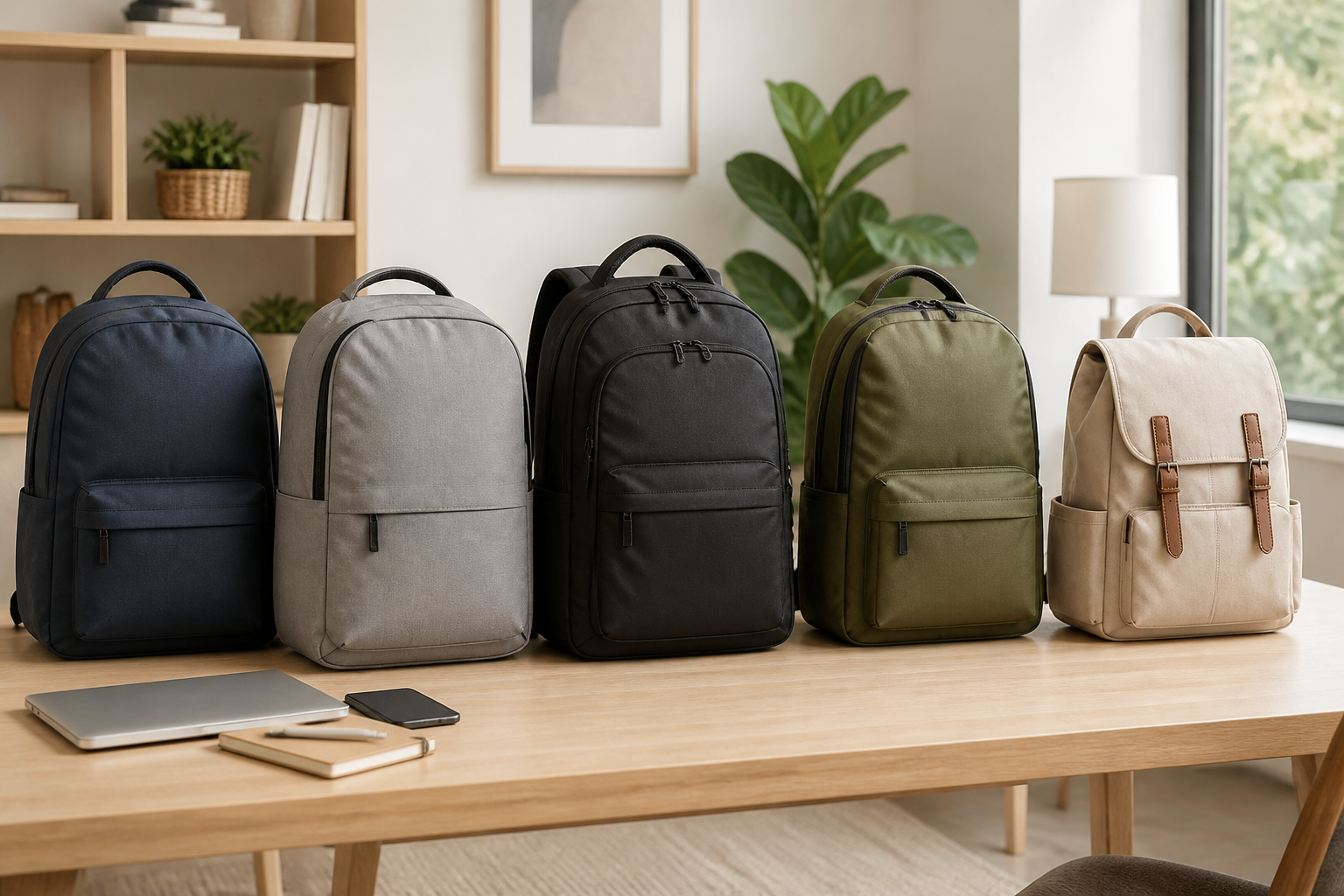
A sleek backpack may work well in an office setting, while a more casual design may suit students or people who move between home, campus, and errands. Neutral colors are often the most versatile, but a subtle pattern or accent can also work if you want something with more personality.
If you want the backpack to serve multiple roles, choose a design that can transition between settings. That way, you do not need a separate bag for work, weekends, and short trips unless you truly want one.
Match the backpack to your lifestyle
Different users benefit from different backpack features. Instead of chasing the most popular option, choose a bag that aligns with how you actually spend your time.
For commuters
Look for comfort, a secure laptop compartment, quick-access pockets, and a shape that sits well during walking or transit. Commuter backpacks often benefit from a cleaner design and reliable organization.
For students
Students may need space for books, notebooks, tech accessories, pens, and sometimes a laptop or tablet. A backpack with good compartment separation and enough room for changing loads can be especially useful.
For remote workers and hybrid professionals
If your day alternates between home, office, and coffee shops, look for a backpack that can carry a laptop, charger, notebook, and personal items without looking overly technical or bulky.
For general everyday use
If your needs are simple, a lightweight and versatile backpack may be the best choice. Focus on comfort, moderate capacity, and a layout that makes daily essentials easy to reach.
Common buying mistakes to avoid
Many backpack buyers focus on appearance or one standout feature and later realize the bag does not suit their routine. Avoiding a few common mistakes can save time and frustration.
- Choosing based on looks alone: A stylish backpack is not useful if it is uncomfortable or poorly organized.
- Buying too much capacity: Oversized backpacks can feel bulky and may encourage overpacking.
- Ignoring strap comfort: Shoulder and back comfort matter more than they may seem at first.
- Overlooking pocket layout: A poor layout can make everyday access frustrating.
- Forgetting about device fit: A laptop sleeve is only useful if it actually fits your laptop.
- Not considering maintenance: A backpack that is hard to clean may become annoying over time.
It can also help to imagine a typical day from morning to evening. Where will the backpack be used? How often will you open it? What items do you need first and most often? These questions often reveal whether a bag’s design is truly practical.
Practical tips before you buy
Before making a final decision, a few simple checks can help you choose more confidently. These are especially useful if you are shopping online and cannot inspect the backpack in person.
- Compare dimensions carefully: Measurements help, but also think about how those dimensions translate to real-world use.
- Review the compartment layout: Pictures and descriptions should make it clear where major items will go.
- Check how the backpack opens: Some bags are easier to pack and unpack than others.
- Look at strap adjustability: Better adjustability usually means better comfort.
- Read material descriptions closely: This helps you understand durability and maintenance expectations.
- Think about your future needs: If your routine may change, a slightly more flexible design can be helpful.
If you already own a backpack that almost works, notice what bothers you about it. Is it too small, too heavy, too shallow, or awkward to organize? Those observations can guide you toward a better replacement.
Frequently asked questions
What size backpack is best for everyday use?
The best size depends on what you carry daily. A smaller backpack may be enough for light essentials, while a larger one may suit work, school, or commuting with a laptop and extra items. The goal is to choose a size that fits your routine without becoming oversized.
Should an everyday backpack have a laptop sleeve?
If you carry a laptop often, a dedicated sleeve is usually helpful. If you rarely bring a laptop, it may not be necessary. Consider whether the compartment fits your device securely and whether you want extra protection or simple organization.
Is a water-resistant backpack necessary?
Not always, but it can be useful if you spend time outdoors, commute in changing weather, or want extra peace of mind for electronics and papers. Keep in mind that water-resistant and waterproof are not the same thing.
How many pockets should an everyday backpack have?
There is no perfect number. Some people prefer a minimal layout, while others need more structure. Choose the number of pockets that matches how you organize your belongings and how quickly you need to access them.
What makes a backpack comfortable for daily wear?
Comfort usually comes from a combination of padded straps, good weight distribution, a supportive back panel, and the right size for your body and load. A backpack that is too heavy or too large will often feel less comfortable, even if it has good padding.
Conclusion
Choosing the right backpack for everyday use comes down to matching the bag to your routine. Start with what you carry, then think about size, comfort, organization, materials, and construction details. A backpack should be practical first, with style as a close second. When those elements work together, the bag becomes easier to use every day and more likely to stay useful over time.
The best choice is not the most complicated one. It is the backpack that fits your life with the least friction. If you take a few minutes to evaluate your needs carefully, you can find a backpack that feels comfortable, organized, and dependable from the first day you use it.