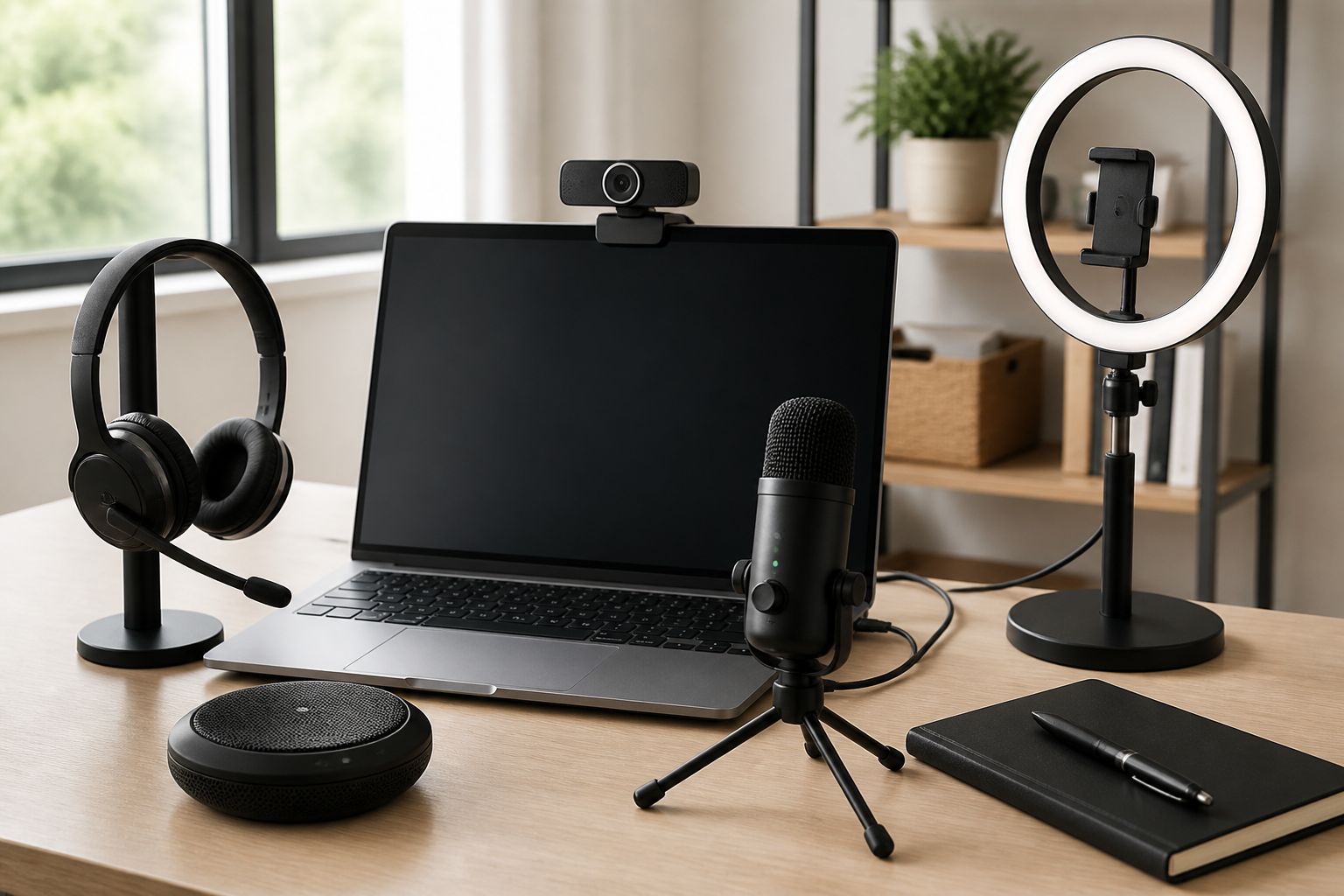
An organized work from home desk setup can make a noticeable difference in how your day feels. When your workspace is cluttered, it becomes harder to focus, easier to misplace items, and more likely that small frustrations build up throughout the day. A thoughtful setup does not have to be expensive or complicated. It simply needs to support the way you work, fit the space you have, and make it easy to keep essentials within reach.
This guide walks through the key parts of building a work from home desk setup that feels calm, efficient, and practical. Whether you work full-time from home, split your time between home and office, or need a dedicated space for occasional remote tasks, the same core ideas apply: reduce clutter, improve function, and make your workspace easy to maintain.
Start With the Right Goals for Your Desk Setup
Before buying organizers or rearranging furniture, it helps to decide what you want your desk to do. Some people need a minimal setup for writing and video calls. Others need storage for documents, multiple devices, reference materials, or creative tools. The best desk organization strategy depends on the work you actually do, not on a generic ideal.
A good starting point is to ask a few simple questions:
- What tasks do I do most often at my desk?
- What items must stay within easy reach?
- What distractions or clutter slow me down?
- How much surface area do I need to work comfortably?
- What is the easiest way for me to reset the desk at the end of the day?
Once these priorities are clear, it becomes easier to choose furniture and accessories that support them. An organized desk is not just about looking tidy. It is about reducing friction so your workspace feels easier to use every day.
Choose a Desk That Fits Your Space and Workflow
The desk is the foundation of your home office setup. If it is too small, clutter builds up quickly. If it is too large for the room, the space can feel crowded or awkward. The right desk should match both your available area and your work habits.
Consider Desk Size and Surface Layout
A desk with enough surface area helps prevent stacks from forming around your keyboard, monitor, and notebook. If you use a laptop, external monitor, printer, planner, or other tools, make sure the desk can hold them without forcing you to constantly rearrange items. A corner desk may suit a room with limited space, while a straight desk may work better if you want a simple, open layout.
The goal is to leave enough clear surface for active work. A desk that is slightly larger than you think you need can be easier to maintain because it gives each item a defined place.
Look for Features That Support Organization
Some desks include drawers, shelves, or cable openings. These features can help keep frequently used items out of sight while still easy to access. Drawers are useful for supplies, labels, chargers, and notebooks. Built-in shelves can hold printers, storage bins, or reference materials. A clean desk surface often depends on having a nearby place for the things you do not need every minute.
If you prefer a minimalist look, a simple desk with separate storage pieces may give you more flexibility. If your work involves many small items, integrated storage may be more practical.
Create Zones for Different Types of Work
One of the most effective ways to organize a work from home desk setup is to divide it into zones. Zones help prevent everything from ending up in one pile and make it easier to find what you need. Even a small desk can have distinct areas.
Primary Work Zone
This is the main space for your laptop, monitor, keyboard, mouse, or writing area. Keep this zone as clear as possible. Items placed here should directly support your current task. The less clutter in this zone, the easier it is to stay focused.
Reference Zone
If you often use documents, notebooks, planners, or printed materials, create a dedicated area for them. A small file holder, magazine file, or tray can keep active documents upright and separate from general clutter. This reduces the risk of paper piling up on top of your keyboard or spilling across the desk.
Supply Zone
Frequently used supplies such as pens, sticky notes, paper clips, and chargers should have a home close to the desk but not in the main work area. A desktop organizer, drawer insert, or small caddy can keep these items grouped together without taking over the work surface.
Support Zone
This is where larger or less frequently used items can live, such as a printer, headset stand, extra paper, or backup equipment. Keeping support items slightly farther away helps preserve the main desk area while still ensuring you can reach them when needed.
Use Storage That Matches the Amount of Clutter You Actually Have
Not every desk needs the same type of storage. The right storage solution depends on what tends to accumulate at your workstation. A person who mainly works on a laptop may need only a few small organizers. Someone managing paperwork or multiple devices may need more structured storage.
Desk Organizers for Small Essentials
Small desktop organizers work well for pens, scissors, clips, and other light-use items. These are most helpful when you want to keep essentials visible but contained. A good organizer should make it easy to put items back in place without effort. If a storage tool feels inconvenient, it is less likely to be used consistently.
Drawer Dividers for Hidden Order
Drawers are often underused because they become catch-alls. Drawer dividers can prevent that by giving each item a clear section. This is useful for people who want a clean surface but still need access to a variety of supplies. Group similar items together and avoid filling drawers with duplicates that you rarely use.
File Holders and Bins for Paper Control
Paper can quickly make a desk feel disorganized. If you still handle documents, give them a specific system. A file holder for active papers, a bin for items to review, and a separate folder for completed paperwork can reduce the likelihood of stacks spreading across the desk. The simpler the system, the easier it is to maintain.
Vertical Storage for Small Spaces
If your desk area is compact, think vertically. Wall shelves, pegboards, and stackable trays can create more room without expanding the footprint of the desk itself. Vertical storage can be especially helpful in apartments, shared rooms, or multipurpose spaces where every inch matters.
Manage Cables Early, Not Later
Cable clutter can make even an otherwise neat desk look messy. It can also make cleaning more difficult and limit the flexibility of your setup. Managing cables early is one of the most practical steps in creating an organized workstation.
Start by identifying every cord connected to your desk area. These may include charging cables, power strips, monitor cables, printer cables, lamps, and headset chargers. Then separate the cables by purpose and decide which ones need to stay visible and which can be tucked away.
- Use cable clips to guide cords along the edge or underside of the desk.
- Bundle similar cables together with reusable ties or sleeves.
- Keep the power strip in one stable location rather than loose on the floor.
- Label important cables if several look similar.
- Leave a little slack so cords are not stretched tight or pulled when adjusting equipment.
A cleaner cable setup improves the overall look of the desk and can make it easier to rearrange your workspace later if needed.
Choose Accessories That Reduce Visual Clutter
Desk accessories should support organization, not create more objects to manage. It can be tempting to add multiple decorative items, but every extra item competes for surface space and attention. The most useful accessories usually serve a clear function.
Monitor Stands and Laptop Risers
Raising a monitor or laptop can free up space underneath for a keyboard, notebook, or storage tray. It can also help create a more structured layout by giving your display a fixed position. If you use a laptop most of the time, a stand can make the desk feel more intentional and reduce the look of scattered gear.
Mouse Pads, Desk Pads, and Writing Surfaces
A desk pad can help define the primary work area while protecting the surface underneath. It may also make the desk feel more unified. For people who take notes by hand, a stable writing surface can reduce the need to move papers around just to make room.
Task Lighting
Lighting affects how easy it is to work and how clutter appears on the desk. A focused desk lamp can help reduce shadows and make the workspace feel more polished. Look for a lamp that fits the desk size and does not take up more room than necessary. If a lamp is adjustable, it may be easier to direct light where you need it without moving other items.
Build a Daily Reset Routine
Even the best-organized desk will become cluttered if there is no maintenance routine. A daily reset is one of the simplest ways to keep your workspace functional. The idea is not to deep clean every day. It is to restore the desk to a usable baseline so you start the next work session with less friction.
A quick reset can include putting pens back in the organizer, stacking loose papers, closing notebooks, returning chargers to their place, and clearing away items not needed for the next day. If you use the desk for both work and personal tasks, this habit becomes even more important because mixed-use spaces tend to collect more stray items.
Some people prefer to reset at the end of the workday. Others do better with a short reset before starting work in the morning. The best routine is the one you will actually follow.
Think About Ergonomics and Comfort Alongside Organization
An organized desk should also be comfortable to use. Organization and ergonomics are closely linked because a cluttered or awkward layout can force you into uncomfortable positions. Even if the desk looks tidy, it may not function well if key items are placed too far away or at the wrong height.
Pay attention to where you place your monitor, keyboard, chair, and frequently used tools. If you need to twist, reach, or lean repeatedly, the setup may need adjustment. Keep items that you use most often within easy reach so the desk supports natural movement.
This is also a good reason to avoid overfilling the desk with decorative or unnecessary items. The more crowded the surface, the less room you have to work comfortably.
Common Mistakes to Avoid When Organizing a Home Office Desk
Many people try to organize by buying bins or accessories before understanding their workflow. That can lead to a desk that looks tidy for a few days but is hard to maintain. A better approach is to solve the actual problem first.
- Buying storage before sorting items: You may end up with organizers that do not match the size or type of clutter.
- Keeping too many supplies on the desk: Only the most-used items need to stay close at hand.
- Ignoring cables: A messy cable setup can undermine the whole workspace.
- Letting paper pile up without categories: Papers need a simple system or they become visual clutter fast.
- Using decorative items as workspace fillers: Too many objects can reduce usable surface area.
- Forgetting the end-of-day reset: Organization works best when it is maintained regularly.
Who Benefits Most From an Organized Work From Home Desk Setup
An organized desk can help many different kinds of remote workers, but the exact setup should reflect the work style.
- Remote employees: May benefit from a balanced setup that supports daily computer work, calls, and light paperwork.
- Freelancers and consultants: Often need flexible storage for client materials, invoices, notes, and equipment.
- Students and part-time remote workers: May need a compact, adaptable setup that can shift between work and study tasks.
- Creative professionals: May need accessible supplies and enough open space for sketching, planning, or layout work.
- Shared-space workers: Often benefit from portable organizers and a setup that can be packed away or reset easily.
In each case, the main objective is the same: make the desk easy to use without requiring constant cleanup.
Practical Shopping Considerations Before You Buy
If you are shopping for items to improve your work from home desk setup, focus on function first. It is easy to get distracted by stylish storage solutions that do not actually solve the problem. Practical buying decisions usually come down to size, durability, flexibility, and ease of use.
- Measure your space: Check desk dimensions, drawer depth, and available wall space before buying organizers or storage furniture.
- Match the product to your routine: Choose items that support how you work every day, not how you imagine your desk should look.
- Look for simple maintenance: Products that are easy to clean and easy to return to order are more likely to stay useful.
- Favor multipurpose pieces: A storage item that can hold several categories may be more practical than several small single-use products.
- Plan for future changes: If your work setup may expand, choose storage that can adapt rather than becoming obsolete quickly.
A thoughtful purchase is one that reduces friction over time. The best organizer is often the one that quietly disappears into your routine because it works so well.
Frequently Asked Questions
What is the first step in organizing a work from home desk?
The best first step is to clear the desk and identify what you actually need within reach. Once you separate daily essentials from occasional items, it becomes much easier to decide what storage or layout changes are necessary.
How do I keep my desk organized if I have limited space?
Use vertical storage, keep only essential items on the desktop, and rely on drawers or wall-mounted solutions when possible. In small spaces, the key is to make every item earn its place.
What should always stay on a home office desk?
That depends on your work, but most people benefit from keeping only the core work tools on the desk: a computer, keyboard or writing area, a pen, a notebook, and perhaps one small organizer for essential supplies.
How can I reduce clutter without buying a lot of products?
Start by removing unused items, grouping similar supplies together, and assigning a home to everything you keep. Often, better habits matter more than additional storage.
How often should I reorganize my desk?
A light daily reset is usually enough for maintenance, while a more complete review every few weeks can help you remove items you no longer need and improve the layout over time.
Conclusion
Creating an organized work from home desk setup is less about perfection and more about building a space that supports your actual work. A clear surface, sensible storage, manageable cables, and a simple reset routine can make your desk easier to use and easier to keep clean. Start with the essentials, add storage only where it solves a real problem, and choose a layout that fits both your space and your workflow.
When your desk is organized with purpose, it becomes more than a place to sit. It becomes a practical work area that helps you stay focused, find what you need, and begin each day with less stress.