Introduction
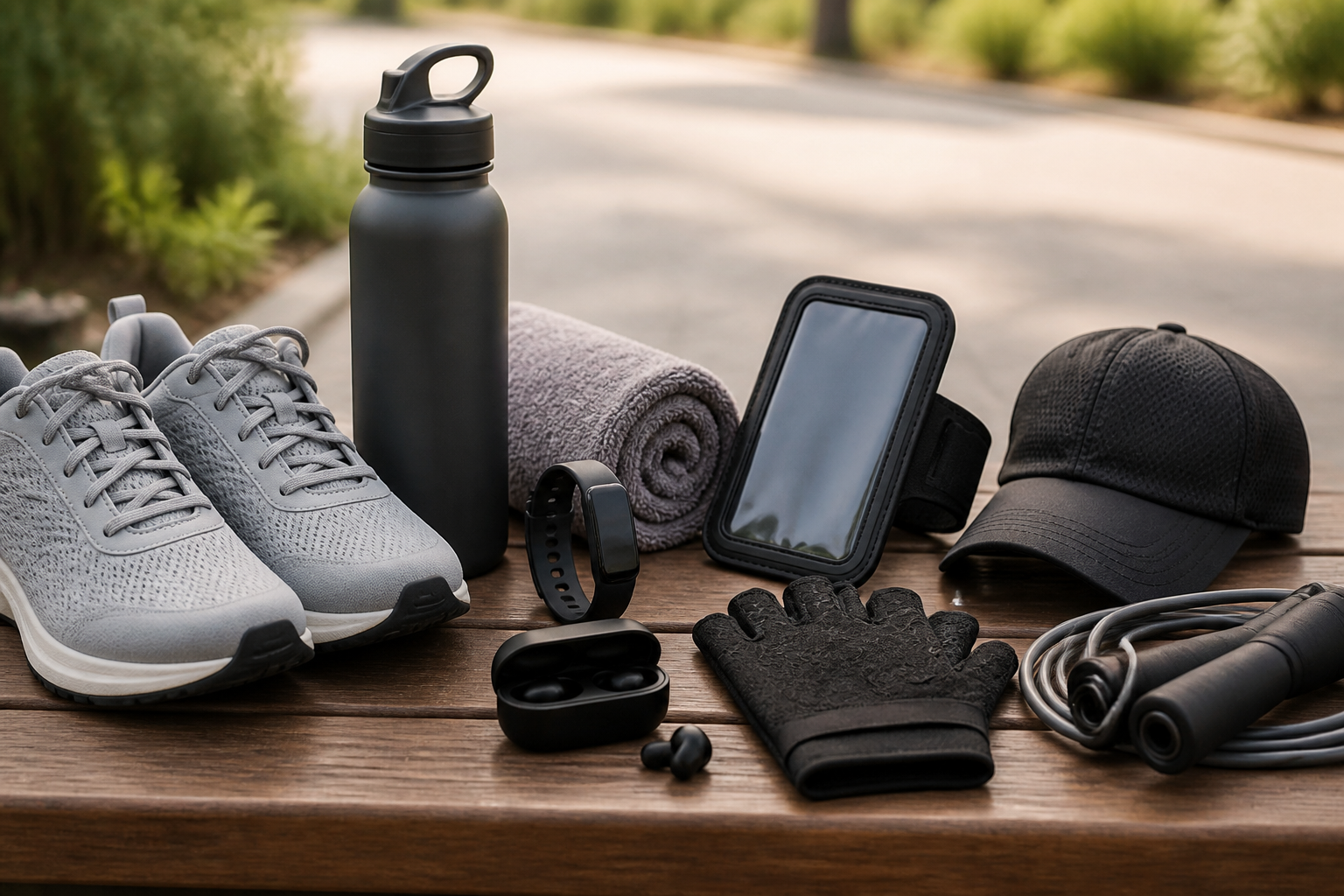
Walking is one of the simplest ways to stay active, and it can fit into many routines without requiring a gym membership or complicated equipment. Daily fitness goals are often easier to maintain when your gear supports comfort, convenience, and consistency. That is where useful accessories for walking and daily fitness can make a real difference.
The right accessory does not need to be expensive or flashy. In many cases, it is the small, practical items that help people walk more often, stay organized, carry water, track progress, or feel more comfortable on longer outings. Whether you walk around the neighborhood, commute on foot, use a treadmill, or mix walking with light workouts, choosing useful accessories can make the routine easier to stick with.
This guide looks at the most helpful accessories for walking and daily fitness, what features matter, who each item may suit, and what to consider before buying. The goal is not to create a checklist of things to own, but to help you choose accessories that genuinely support your routine.
Why accessories matter for walking and daily fitness
Walking and daily fitness are often more sustainable when the experience feels comfortable and convenient. Accessories can solve small problems that otherwise become excuses to skip a session. For example, carrying water in a practical bottle can reduce the need to stop frequently, while a secure waist pack or armband can keep essentials close without using your hands.
Good accessories can also help with routine building. If your walking gear is easy to grab, easy to use, and comfortable to carry, you are more likely to leave the house or start your workout on time. That convenience matters more than any trendy feature.
For many people, accessories also add organization. A person who walks before work may need a way to carry keys, a phone, and a transit card. Someone who prefers longer fitness walks may want sun protection, hydration support, or a simple way to monitor steps and distance. The best accessories are the ones that match your habits, not the ones with the most functions.
Best useful accessories for walking and daily fitness
1. Comfortable walking shoes
Although shoes are not usually thought of as an accessory, they are the most important walking item for most people. A comfortable pair can affect how long you want to walk and how stable you feel during daily movement. Look for shoes that feel supportive, fit well in the toe area, and do not rub the heel or sides of the foot.
When comparing shoes, focus on walking comfort rather than appearance alone. A pair may look great but still feel too stiff or too narrow. If you plan to use them for everyday fitness, think about the surfaces you usually walk on. Roads, sidewalks, treadmills, and park paths can all feel different underfoot.
This category may suit people who walk regularly, have longer commutes on foot, or want a single pair they can wear for both errands and fitness sessions.
2. Moisture-wicking socks
Socks can be easy to overlook, but they matter more than many people expect. Moisture-wicking socks are often preferred for walking because they help reduce dampness and may feel more comfortable than basic cotton socks during longer sessions. A good pair can also reduce bunching, slipping, and friction inside the shoe.
Useful features include a snug but non-restrictive fit, seamless construction in key areas, and cushioning where you tend to feel pressure. Some people prefer ankle-height socks, while others prefer crew styles for extra coverage. The best choice depends on shoe height, climate, and personal comfort.
These socks may suit people who walk daily, do mixed cardio routines, or want to improve comfort with a very small gear upgrade.
3. A water bottle that is easy to carry
Hydration is a practical part of any fitness routine, especially for longer walks or warm weather. A good water bottle should be easy to carry, leak-resistant, and simple to drink from while moving. Some walkers prefer a lightweight bottle with a loop or handle, while others want an insulated bottle that helps keep water cooler for longer.
When choosing a bottle, consider size carefully. A larger bottle holds more water but may feel bulky on shorter walks. A smaller bottle is lighter but may require refills more often. Materials also matter. Some people prefer stainless steel for durability, while others like lighter reusable plastic for convenience.
A water bottle is especially useful for people who walk for exercise, walk outdoors in warm conditions, or combine walking with errands and need a simple hydration option.
4. A waist pack, belt bag, or small crossbody bag
One of the most useful accessories for walking and daily fitness is a compact bag that holds essentials without getting in the way. A waist pack or small crossbody bag can carry a phone, keys, cards, tissues, and other small items while keeping your hands free. This can be especially helpful for people who do not want items bouncing in their pockets.
Important features include secure closures, an adjustable strap, lightweight construction, and enough room for your basics without becoming bulky. Some bags have multiple compartments, which can help separate a phone from keys or snacks. If you walk in crowded areas, a close-fitting bag may feel more secure than an open tote or loose pocket.
This type of accessory may suit commuters, walkers who carry several small items, and anyone who prefers not to hold a phone or bottle while moving.
5. Fitness tracker or pedometer
Many walkers find motivation in simple progress tracking. A fitness tracker or pedometer can help you monitor steps, distance, active time, or movement goals. The most useful device is not necessarily the one with the most features, but the one you will actually wear and check regularly.
If you only want basic step counting, a simple pedometer may be enough. If you also want reminders, heart-rate tracking, or workout summaries, a fitness watch or wrist tracker may be a better fit. Battery life, display readability, comfort, and ease of use are all practical buying considerations.
These devices may suit people who like goal tracking, want visible feedback, or are building a daily walking habit and want an easy way to stay consistent.
6. Reflective gear or visibility accessories
If you walk early in the morning, around dusk, or in low-light conditions, reflective accessories can be useful for visibility. Options may include reflective bands, clip-on lights, vests, or clothing details designed to catch attention in darker settings. The most appropriate choice depends on where and when you walk.
Look for accessories that are easy to put on and remove, comfortable enough to wear regularly, and compatible with the clothing you already use. Some walkers prefer a simple reflective band, while others want a more visible vest or light. Bright colors can also help during daytime walks, especially in busy outdoor environments.
Reflective items may suit commuters, early-morning walkers, and anyone who spends time outdoors in changing light conditions.
7. Sun protection accessories
For outdoor walking, sun protection can be just as practical as hydration. Depending on climate and personal preference, useful accessories may include a hat with a brim, UV-blocking sunglasses, lightweight sleeves, or a neck gaiter. These items can help make outdoor movement more comfortable in bright weather.
When choosing sun protection accessories, think about breathability, weight, and how well the item stays in place while you walk. A hat that feels comfortable standing still may not be ideal if it slips or traps heat when you are active. Sunglasses should fit securely without pinching, and lightweight fabrics are generally easier to wear for longer periods.
This category may suit people who walk outdoors often, spend long periods in direct sunlight, or want a more comfortable experience during daytime exercise.
8. Weather-ready layers and lightweight outerwear
Walking routines often continue in less-than-perfect weather, so a lightweight jacket or packable layer can be a useful accessory. The goal is comfort, not heavy outdoor gear. A thin windbreaker, light rain shell, or flexible layer can help you stay on schedule when the weather changes.
Useful features include packability, breathability, easy zippers, and enough room for movement. If you walk in cooler weather, a layer that is easy to remove and carry can be more practical than a bulky coat. If you walk in light rain or wind, water resistance and coverage may matter more.
Weather-ready layers may suit people who walk year-round, commute on foot, or prefer not to let minor weather changes disrupt their routine.
9. Armband or phone holder
Many walkers use their phones for music, navigation, timers, or step tracking. An armband or phone holder can keep the device accessible without requiring constant hand carrying. It can also reduce the risk of dropping your phone during a brisk walk.
The best option depends on how you like to carry your phone. Some people prefer an arm strap, while others find a belt-style or pocket-style holder more comfortable. Look for a secure fit, screen access if needed, and a design that does not bounce or shift too much during movement.
This accessory may suit people who use fitness apps, listen to audio during walks, or want a simple way to keep their phone close without stuffing it into a pocket.
10. Small towel or cooling cloth
A compact towel or cooling cloth can be surprisingly helpful for daily fitness. It is practical for wiping sweat, drying hands, or making a warm walk feel more manageable. A lightweight version is easy to carry in a bag, and some options dry faster than standard cotton towels.
Look for a towel that is absorbent, quick to dry, and small enough to store easily. If you walk in hot weather, a cooling cloth can feel more comfortable during breaks, though the exact effect depends on the material and how it is used.
This category may suit walkers who exercise outdoors in warm conditions, use a bag for essentials, or want a simple item for comfort and cleanup.
How to choose the right accessories for your routine
The best accessories are usually the ones that match your walking habits. Start by thinking about how, where, and how often you walk. A person who takes 20-minute neighborhood walks has different needs than someone who walks to work, spends an hour on a treadmill, or does long weekend fitness walks.
As you compare accessories, ask a few practical questions:
- Will this item make walking easier, more comfortable, or more convenient?
- Is it lightweight and easy to carry?
- Can I use it regularly without feeling bothered by it?
- Does it suit my climate, route, and walking schedule?
- Will it work with the items I already own?
It can also help to think about maintenance. Accessories that require frequent cleaning, charging, or adjustment may not be ideal if you want a low-effort routine. Simpler products are often better for everyday use.
Common buying mistakes to avoid
One common mistake is buying too many accessories at once. It is usually better to start with the basics and add items only when you notice a real need. For example, if you already have a comfortable pair of shoes and a reliable water bottle, you may not need much more to begin.
Another mistake is choosing items based on style alone. Attractive gear is nice, but it should also be practical. A bag that looks good but digs into your shoulder, or a bottle that leaks, can become frustrating very quickly.
People also sometimes ignore fit. This applies to shoes, socks, hats, belts, armbands, and reflective gear. If an item slips, rubs, or feels too tight, you are less likely to use it consistently.
Finally, some buyers focus on advanced features they may never use. Extra modes and complicated designs can be helpful for some people, but many walkers prefer accessories that are straightforward, durable, and easy to manage.
Practical tips for getting more value from your accessories
A useful accessory should fit naturally into your routine. Keep your most-used items together so you can leave the house quickly. For example, place your walking shoes, socks, and bottle in an easy-to-reach spot. If you use a fitness tracker, charge it or check it before the time you usually walk.
Think about layering your setup. A walker might use supportive shoes, moisture-wicking socks, a small bag, and a reflective item during evening outings. Another person may only need a bottle and a phone holder. There is no requirement to use every category. The best setup is the one that feels easy to repeat.
If you walk in different conditions throughout the week, consider flexible accessories that can handle more than one situation. A lightweight bag, a packable layer, and a reusable bottle often provide more day-to-day value than specialized items used only occasionally.
Who these accessories may suit
Useful walking and daily fitness accessories can benefit many types of people, including:
- Beginner walkers who want simple support for building a habit
- Daily commuters who need to carry small essentials comfortably
- Outdoor walkers who deal with sunlight, weather, or low light
- Fitness-focused walkers who want hydration and progress tracking
- Low-maintenance users who prefer practical, easy-to-use gear
If you are unsure where to start, focus on the accessory that solves your biggest daily inconvenience. That might be a better pair of socks, a more convenient water bottle, or a compact bag that keeps your hands free. Small improvements often make a bigger difference than large purchases.
Frequently asked questions
What are the most important accessories for walking?
For most people, the most important items are comfortable shoes, suitable socks, and a way to carry water if the walk is long enough to require it. After that, the most useful accessories depend on your routine, weather, and how much you like to carry.
Do I need a fitness tracker for walking?
No. A fitness tracker can be useful for motivation and progress tracking, but it is optional. Some people prefer a simple pedometer, while others walk without any tracking at all. The best choice depends on whether you find data helpful.
What is the best bag for daily walking?
A small waist pack, belt bag, or crossbody bag is often practical because it keeps essentials close without using your hands. The best option is one that stays secure, feels light, and has enough room for your daily items.
Are reflective accessories necessary?
They are especially useful if you walk in low light, near traffic, or during early mornings and evenings. If you walk mostly in daylight on quiet paths, they may be less essential, though some people still like the added visibility.
How do I avoid buying accessories I never use?
Start with one or two items that solve a real problem. Focus on comfort, fit, and convenience. If an accessory does not make walking easier or more enjoyable, it is probably not a priority purchase.
Conclusion
Useful accessories for walking and daily fitness do not need to be complicated. The most valuable items are usually the ones that make your routine more comfortable, organized, and easy to repeat. Shoes, socks, hydration tools, small bags, visibility gear, and simple tracking devices can all support a more practical walking habit when chosen thoughtfully.
Rather than buying everything at once, start with the accessories that fit your real needs. Consider when you walk, what you carry, and what tends to interrupt your routine. A thoughtful setup can make walking feel less like a task and more like a normal part of daily life.
If you choose accessories with comfort, function, and regular use in mind, you are more likely to get lasting value from them. That is what makes the best walking gear useful: it quietly supports the habit you want to keep.