Introduction
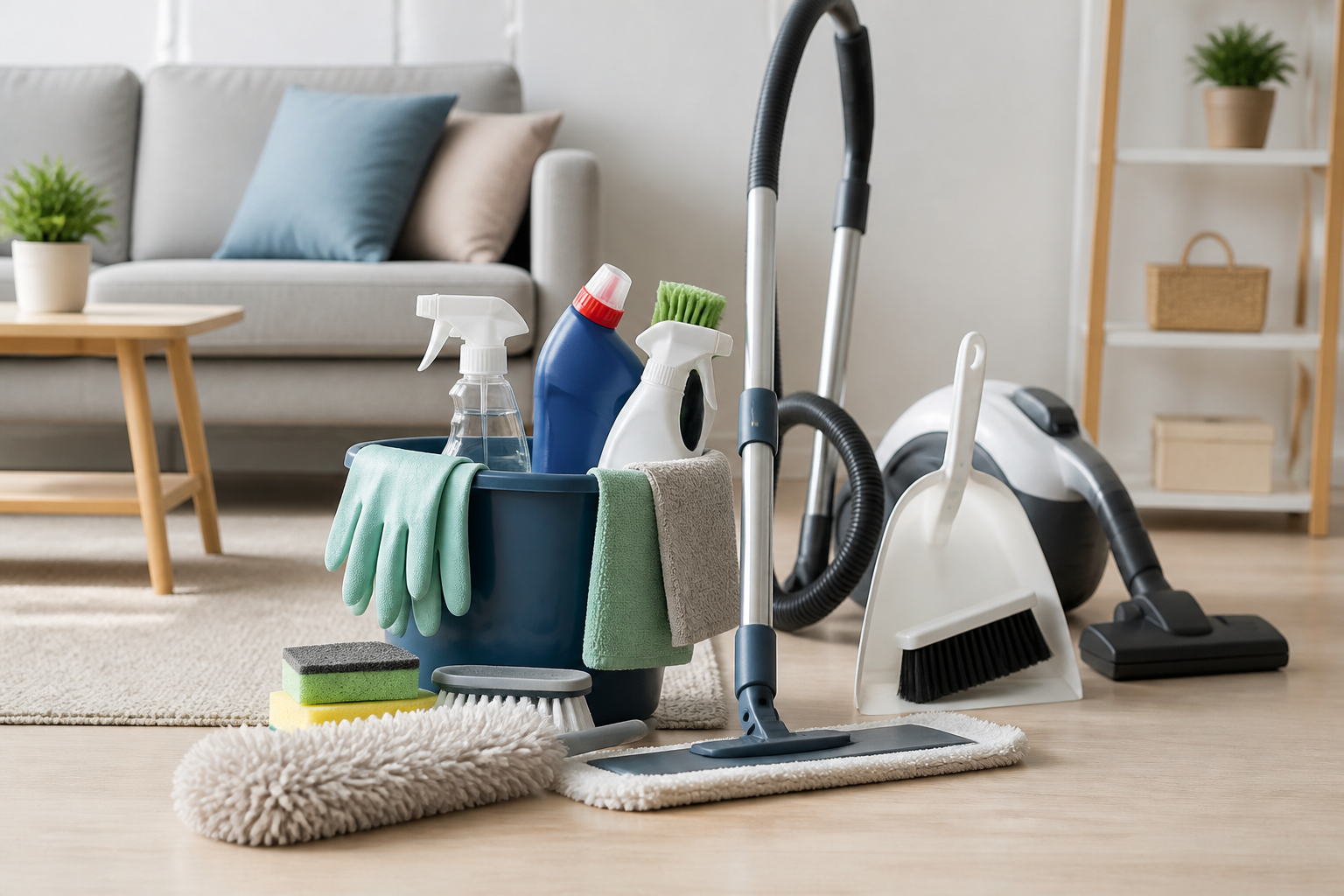
Household cleaning is easier to manage when you have the right tools for the job. A good cleaning routine does not depend only on effort; it also depends on choosing items that save time, reduce repetitive motion, and help you clean more effectively with less frustration. For many people, the difference between a tiring chore and a manageable routine comes down to whether the tools are practical, comfortable, and suited to the surfaces and messes in the home.
This guide focuses on useful cleaning tools that make household chores easier, with an emphasis on everyday buying considerations rather than hype. Whether you are stocking a new home, replacing worn-out supplies, or simply trying to make cleaning faster, it helps to understand which tools are most versatile, what features matter, and which purchases are worth prioritizing first.
The best cleaning tools are usually not the fanciest ones. They are the ones that help you clean more often, more thoroughly, and with less effort. A well-chosen microfiber cloth, a dependable mop, a sturdy scrub brush, or a quality vacuum attachment can make a noticeable difference in how smoothly cleaning tasks fit into daily life.
Why the Right Cleaning Tools Matter
Many household chores become harder when the tools are inefficient, uncomfortable, or poorly matched to the task. A weak brush may leave residue behind, a heavy mop may be awkward to use, and a poorly designed duster may simply move dust around instead of collecting it. Choosing better tools can improve cleaning results while reducing the time spent repeating the same step.
Another reason tools matter is consistency. People are more likely to keep up with routine cleaning when the process feels manageable. If a tool is easy to grab, simple to use, and convenient to store, it is more likely to become part of a regular habit. In that sense, useful cleaning tools are not just about performance; they also support a cleaner home over time.
There is also a practical budgeting angle. Buying a few versatile tools often makes more sense than buying many specialized items that are rarely used. A smart buying approach focuses on multipurpose tools for general cleaning, then adds specialty items only when a specific need appears.
Microfiber Cloths: A Simple Tool with Many Uses
Microfiber cloths are among the most useful cleaning tools for household chores because they can handle dusting, wiping, polishing, and light scrubbing across many surfaces. Their soft texture makes them suitable for areas where you want cleaning power without scratching, such as counters, shelves, appliance exteriors, mirrors, and many types of furniture.
What to look for
- Size and thickness: Larger cloths can cover more area, while thicker cloths may feel more durable for repeated use.
- Edge quality: Reinforced edges can help the cloth last longer after washing.
- Texture: Some cloths are smoother for glass and polished surfaces, while others have a denser weave for general wiping.
- Washability: Reusable cloths are often more practical when they can be washed and reused many times.
Who they may suit
Microfiber cloths are useful for nearly every household, especially for people who want an affordable, versatile option for many light cleaning jobs. They are also helpful for quick daily tidying because they can be kept in different rooms or cleaning baskets for easy access.
One common buying mistake is choosing cloths only by appearance instead of functionality. A pretty cloth that sheds lint or falls apart quickly is not a good value. Another mistake is using the same cloth for every task without considering hygiene and cleanliness. It is more practical to keep separate cloths for surfaces like kitchens, bathrooms, and dusting areas.
Dusting Tools That Capture, Not Just Move, Dust
Dusting is one of the chores that people often do quickly, but the right tool can make it far more effective. Traditional feather dusters and low-quality cloths sometimes push dust into the air instead of removing it. Better dusting tools are designed to trap particles so that you can clean surfaces more thoroughly.
Useful dusting options
- Microfiber dusters: Good for shelves, blinds, baseboards, and decorative items.
- Extendable dusters: Helpful for ceiling corners, high shelves, and fan blades.
- Soft detailing brushes: Useful for vents, keyboards, and tight spaces.
When choosing a duster, consider handle length, flexibility, and how easy the head is to clean. A tool that reaches awkward places can reduce the need for ladders or improvised cleaning methods. Flexible heads are especially useful for corners, edges, and uneven surfaces.
Dusting tools are often underestimated, but they can improve the overall look of a room quickly. They are especially useful for people who want a fast weekly refresh without doing a full deep clean.
Scrub Brushes for Stubborn Dirt and Grime
Scrub brushes are essential for areas where cloths are not enough. Bathrooms, sinks, grout lines, stove surfaces, outdoor entry areas, and other high-use spots often need a tool with more friction and control. A good brush can help loosen buildup without requiring excessive force.
Important features to compare
- Bristle stiffness: Softer bristles are better for delicate surfaces, while firmer bristles help with heavy grime.
- Handle design: A comfortable grip reduces hand fatigue during longer cleaning sessions.
- Shape: Angled, curved, and narrow brushes can reach corners and crevices more effectively.
- Specialty use: Some brushes are designed for grout, dishes, tubs, or upholstery details.
It is useful to choose a few brushes rather than one brush for everything. A small detail brush may be ideal for tight spots, while a larger scrub brush is better for bigger surfaces. This can make cleaning faster and more precise.
A common buying mistake is selecting a brush that is too aggressive for regular use. Very stiff bristles may work on certain messes, but they are not always ideal for all surfaces. It is better to match bristle strength to the material you are cleaning so you avoid unnecessary wear.
Mops That Make Floor Cleaning Easier
Floors are one of the biggest cleaning surfaces in any home, so a well-chosen mop can save time and effort. The best mop for one household may not be the best for another, because floor types, cleaning frequency, and storage space all matter. When comparing mops, think about how easy they are to wring out, how quickly they dry, and whether they are suitable for your floors.
Common mop types
- Flat mops: Often practical for quick cleaning and easy maneuvering around furniture.
- String mops: Useful for larger messes and broad floor coverage.
- Spray mops: Convenient for lighter cleaning and quick touch-ups.
- Spin mops: Can be easier to wring and may reduce the need to handle wet mop heads directly.
For many households, the best choice is a mop that balances absorbency, ease of use, and straightforward maintenance. Replacement heads can also be important, since a mop is only useful if it stays in good condition over time.
People often make the mistake of buying a mop based on speed alone, without considering cleaning quality or durability. A very lightweight mop may be convenient, but if it does not handle the dirt level in your home, you may still have to go over the floor again. Matching the mop to your real cleaning routine is the better approach.
Vacuum Cleaners and Useful Attachments
Vacuum cleaners remain one of the most practical cleaning tools for homes with carpets, rugs, pet hair, or frequent foot traffic. However, the vacuum itself is only part of the equation. Attachments and accessories can greatly improve its usefulness by allowing you to clean upholstery, corners, vents, stairs, and other difficult areas.
Key features to consider
- Suction consistency: Reliable pickup matters more than empty feature lists.
- Weight and maneuverability: A lighter design may be easier for multi-level homes or frequent use.
- Filtration design: Many buyers look for sealed systems or replaceable filters, depending on their needs.
- Noise level: A quieter vacuum may be more comfortable for shared spaces or frequent cleaning.
- Attachments: Crevice tools, brush heads, and upholstery tools add flexibility.
Attachments are especially helpful because they let one machine cover more chores. A crevice tool can help with edges and corners, while a soft brush attachment can be useful for delicate surfaces. If storage space is limited, a vacuum with a well-designed accessory set may be more practical than owning separate tools for each area.
A common mistake is buying a vacuum that looks powerful but is difficult to move or maintain. Another is overlooking the cost and availability of replacement filters or bags, if your model uses them. For a tool used frequently, upkeep matters as much as first impressions.
Sponges, Pads, and Non-Scratch Scrubbers
Sponges and scrub pads are everyday essentials for kitchens, bathrooms, and general cleanup. They are small, inexpensive, and easy to replace, which makes them useful for both routine washing and targeted scrubbing. The best versions balance absorbency, texture, and durability.
How to choose well
- Surface compatibility: Non-scratch pads are better for delicate surfaces and cookware.
- Absorbency: Good absorbency helps with spills and rinsing tasks.
- Longevity: Pads that fall apart quickly may end up costing more over time.
- Grip: Some sponges are shaped to fit the hand more comfortably.
For household use, it is often smart to keep different types on hand: one for general dishwashing, one for tougher scrubbing, and one reserved for sensitive surfaces. This keeps cleaning more effective and helps avoid damage caused by using the wrong texture.
One practical tip is to store sponges and pads where they can dry properly. Tools that stay damp too long are less pleasant to use and may wear out faster. Good storage habits can extend the life of simple cleaning supplies.
Cleaning Caddies and Storage Baskets
A surprisingly useful cleaning tool is not a scrubber or brush at all, but a storage system that keeps supplies organized. Cleaning caddies, baskets, and tote-style organizers make it easier to carry tools from room to room, which reduces unnecessary trips and helps people stay focused on the task.
When supplies are scattered, cleaning tends to feel more difficult than it really is. A caddy can hold cloths, sprays, brushes, gloves, sponges, and small accessories in one place. That makes it easier to begin a job quickly and finish it without interruptions.
What makes a good cleaning caddy
- Divided compartments: Helpful for separating bottles, cloths, and smaller items.
- Comfortable handle: Important if you carry it between floors or rooms.
- Easy-to-clean material: Useful because cleaning tools can leak or drip.
- Right size: Large enough for essentials, but not so bulky that it becomes awkward.
This is an especially smart purchase for people who want a more efficient routine. Even a simple caddy can make a home cleaning setup feel more organized and less stressful.
Gloves and Protective Cleaning Accessories
Household cleaning gloves are often overlooked, but they can make chores more comfortable by helping protect the hands from water, cleaning solutions, and prolonged scrubbing. They can also improve grip when handling wet tools or slippery items. While gloves are not necessary for every task, they can be a sensible part of a basic cleaning kit.
When comparing gloves, consider fit, cuff length, and flexibility. Gloves that are too loose may slip, while gloves that are too stiff can make fine movements harder. A comfortable fit matters because you are more likely to use them regularly if they do not feel restrictive.
Other useful accessories may include microfiber dusting gloves, sink mats, and simple tool organizers. These items do not usually receive as much attention as mops or vacuums, but they can make routine chores smoother and more orderly.
How to Choose the Right Cleaning Tools for Your Home
The best cleaning tools depend on the surfaces in your home, the amount of cleaning required, and the amount of storage space available. A large family home, a small apartment, and a home with pets may all need different combinations of tools.
Start with the most common chores
Begin by identifying the chores you do most often. If dust and fingerprints are your biggest issue, microfiber cloths and dusters may be the most important purchases. If floors are the main concern, a good mop and vacuum may deserve priority. If bathrooms and kitchen buildup are your toughest tasks, scrub brushes and non-scratch pads may be more useful than specialty gadgets.
Look for versatility
Multipurpose tools are often the best value. A brush that works on grout and sink edges, or a cloth that works on counters and mirrors, gives you more use from a single purchase. This is especially helpful if you are shopping on a budget or trying to avoid clutter.
Think about storage and maintenance
Even a great tool can become annoying if it is hard to store or clean. Foldable handles, washable heads, and compact designs are often easier to live with. If a tool needs expensive refills or complicated upkeep, consider whether it truly fits your routine.
Avoid buying only for special cases
It is easy to be tempted by tools that solve one specific problem, but many homes need a strong basics-first approach. Start with everyday essentials, then add specialty tools only if you regularly encounter a cleaning task that your current supplies cannot handle well.
Practical Cleaning Tips That Make Tools Work Better
Good tools are more effective when used in a simple system. A few habits can make everyday chores easier and prevent unnecessary wear on your supplies.
- Keep tools accessible: If supplies are easy to reach, you are more likely to use them for quick cleanups.
- Use separate cloths for separate zones: This keeps routines more organized and reduces mix-ups.
- Rinse and dry tools properly: Better storage can extend the life of brushes, pads, and sponges.
- Replace worn items: A worn-out tool often works less effectively and can make chores take longer.
- Choose the right tool for the surface: Matching the tool to the task helps avoid extra work.
Simple routines matter. For example, keeping a microfiber cloth and a dusting tool in a common area can make it easier to wipe surfaces before dust accumulates. Likewise, having a bathroom scrub brush stored near the area it is used can make regular upkeep less of a project.
Frequently Asked Questions
Which cleaning tools are most useful for beginners?
For most homes, the best starting point includes microfiber cloths, a duster, a scrub brush, a mop, and a vacuum cleaner or vacuum attachments. These cover the majority of everyday tasks without requiring a large collection of specialty items.
Are expensive cleaning tools always better?
Not always. Price can reflect durability, comfort, or added features, but the most expensive option is not necessarily the best fit. It is usually smarter to focus on usefulness, ease of maintenance, and whether the tool suits your home.
How many cleaning tools do I really need?
That depends on your home and cleaning habits. Many people can manage well with a modest set of versatile tools. The goal is not to own a lot of supplies, but to have the right ones for the most common chores.
What is the best way to avoid buying tools I will not use?
Start with the chores you do most often and buy tools that address those tasks first. Look for items that serve multiple purposes and avoid buying gadgets that solve rare problems unless you genuinely need them.
How often should cleaning tools be replaced?
Replacement timing depends on the tool, how often it is used, and how well it is maintained. Cloths, sponges, and pads may wear out sooner than brushes or caddies. If a tool no longer cleans effectively, is damaged, or becomes difficult to keep in good condition, it may be time to replace it.
Conclusion
Useful cleaning tools can make household chores easier by reducing effort, improving results, and helping routines feel more manageable. The most practical options are usually the ones that combine comfort, durability, and versatility. Microfiber cloths, dusters, scrub brushes, mops, vacuum attachments, sponges, and storage caddies all serve different purposes, but together they can create a much smoother cleaning routine.
When shopping, focus on your most common household tasks, the surfaces in your home, and the amount of storage you have available. Avoid buying tools based only on appearance or special features you may never use. A thoughtful, basics-first approach usually leads to a cleaner home with less stress and less wasted effort.
If you want cleaning to feel less overwhelming, start with a few dependable tools and build from there. A well-chosen set of supplies can turn everyday chores into quicker, simpler tasks that are easier to keep up with over time.