Introduction
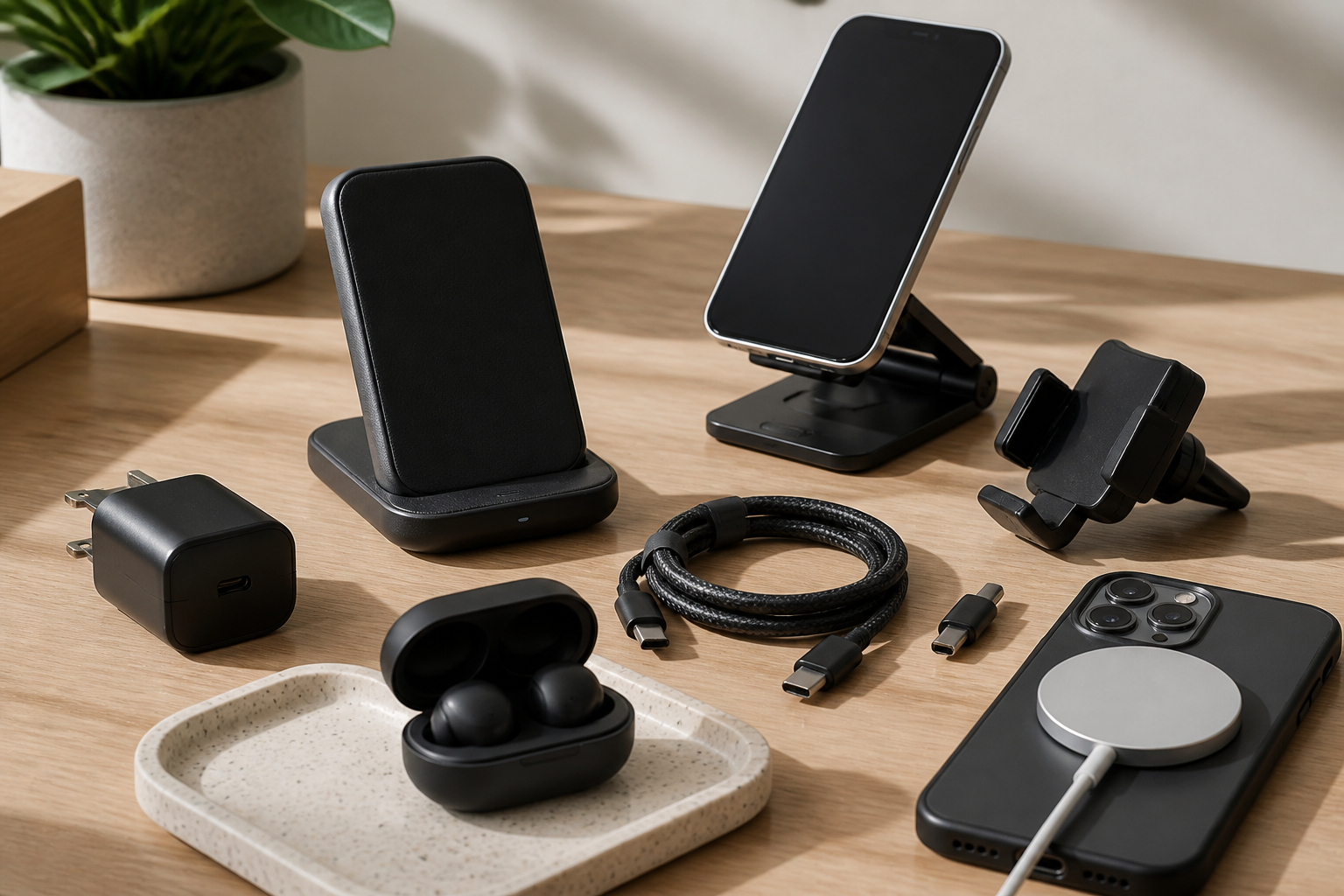
Smartphones already do a lot, which is one reason accessory shopping can become overwhelming. There are endless add-ons, gadgets, and “must-have” items advertised for every phone model, but not all of them are worth buying. The useful smartphone accessories you may actually need are usually the ones that solve a real problem: protecting your device, making charging easier, improving comfort, or helping your phone last longer in daily use.
If you have ever bought a phone case that looked great but offered poor protection, a charger that was too slow, or headphones that became annoying after a week, you already know how easy it is to spend money on accessories that do not fit your routine. A better approach is to choose accessories based on how you use your phone, where you carry it, and what problems you want to prevent.
This guide focuses on practical smartphone accessories that tend to provide real value. It explains what each accessory does, what features matter, who it may suit, and common mistakes to avoid before you buy.
A good phone case
A phone case is one of the most useful accessories for most people because it helps reduce the impact of everyday drops, scratches, and bumps. Even if you are careful, phones are handled dozens of times a day and often travel in pockets, bags, cup holders, or on desks. A case can help keep the phone looking newer and may reduce the likelihood of cosmetic damage from ordinary use.
What to look for in a case
- Fit: The case should match your exact phone model so buttons, ports, cameras, and speakers remain accessible.
- Grip: A slightly textured surface can make the phone less slippery.
- Protection level: Thin cases are lighter and less bulky, while tougher cases usually offer more coverage.
- Raised edges: Small lips around the screen and camera can add useful protection when the phone is placed face down.
- Material: Silicone, TPU, polycarbonate, leather, and hybrid designs all have different feels and levels of flexibility.
Who it may suit
A case is useful for nearly everyone, but it is especially relevant if you often carry your phone in a bag with keys, use your phone outdoors, commute frequently, or have a habit of putting it on hard surfaces. People who prefer a slim, pocket-friendly feel may want a thinner case, while those who want more protection may prefer a rugged design.
Common buying mistakes
Many buyers focus on style alone and ignore thickness, button feel, or compatibility with wireless charging and mounts. Another common mistake is choosing a case with very little grip, which can make the phone more likely to slip. If you use accessories such as card holders, magnetic car mounts, or wireless chargers, check that the case works with them before buying.
Screen protection
Another accessory many people find useful is a screen protector. Modern smartphone displays are durable, but they are still exposed to scratches from pockets, sand, dust, and everyday handling. A screen protector can help keep the display in better condition and may reduce the need for costly cosmetic repairs later.
Types of screen protectors
- Tempered glass: Usually offers a glass-like feel and is often preferred for touch responsiveness and scratch resistance.
- Film protectors: Typically thinner and more flexible, which can suit users who want a barely noticeable layer of protection.
- Privacy protectors: Designed to narrow side viewing angles, which may help in public settings.
Buying considerations
It is important to choose a protector made for your specific phone model so the cutouts align properly. If your phone has a curved display, check whether the protector is designed for edge-to-edge compatibility. Also consider whether the protector is case-friendly, because some cases can lift poorly sized protectors at the edges.
A screen protector may be especially useful for people who keep phones in pockets with other items, work in dusty or outdoor environments, or simply want an extra layer of precaution. If you dislike changing the feel of the display, look for options described as thin, highly responsive, or easy to install.
A reliable charging cable
Charging cables are often overlooked until they fail. A dependable cable can make a noticeable difference in daily convenience, especially if your original cable is too short, frayed, or not suited to the charging speed you want. Because many charging issues are caused by worn cables rather than the phone itself, having a good spare can be genuinely practical.
Important features
- Connector type: Make sure the cable matches your phone and charger, whether that is USB-C, Lightning, or another format.
- Length: Short cables are useful in cars or at desks, while longer cables offer flexibility near beds or sofas.
- Durability: Reinforced ends and flexible sheathing may help reduce wear.
- Charging support: Some cables support faster charging or data transfer, but only if your charger and phone also support it.
Practical tips
It can be smart to keep one cable at home and one in a bag or car. If you charge in different places, a spare cable reduces the chance of being stuck without power. Also, if your phone supports faster charging, make sure the cable and wall adapter are both suitable; one weak link can limit performance.
Wall chargers and fast chargers
Many smartphones no longer include a wall adapter, which makes a good charger one of the most useful accessories to consider. A charger that matches your phone’s capabilities can save time and make charging more efficient. It can also be useful to have more than one charger if you keep one at work and one at home.
What to check before buying
- Power output: The charger should be appropriate for your phone’s supported charging speed.
- Ports: One-port chargers are simple, while multi-port options can charge several devices at once.
- Size: Compact chargers are easier to travel with.
- Compatibility: Not all chargers support every fast-charging standard, so check your phone’s requirements.
Who may benefit most
Frequent travelers, commuters, and people who charge multiple devices often tend to benefit from a good charger more than casual users. If your phone frequently runs low during the day, a charger that works well with your device can make a clear difference in routine convenience. For anyone using tablets, earbuds, or smartwatches too, a multi-port charger can reduce clutter.
Common buying mistakes
A common mistake is assuming any charger will deliver maximum speed. In reality, the cable, charger, and phone all need to work together. Another issue is buying a very powerful charger without checking whether the phone can actually use that level of output. In many cases, a well-matched charger is more useful than the highest-wattage option.
Power banks for on-the-go charging
A power bank may be one of the most useful smartphone accessories if you spend time away from outlets. It can provide backup power during travel, long workdays, events, commutes, or outdoor activities. For many users, it is less of a luxury and more of a practical backup tool.
Features worth paying attention to
- Capacity: Higher-capacity models can recharge a phone more times, but they are usually larger and heavier.
- Port selection: Check whether it includes USB-C, USB-A, or other outputs you need.
- Charging speed: A power bank should be able to charge your phone at a reasonable pace.
- Weight and size: Portability matters if you plan to carry it daily.
- Display or indicators: Battery indicators can help you know when to recharge the power bank itself.
Who it may suit
Power banks are especially helpful for students, delivery drivers, travelers, sales staff, and anyone with long stretches away from a socket. They are also useful during emergencies or on days when heavy phone use drains the battery faster than expected. If your phone battery is aging, a power bank can offer added peace of mind.
Practical buying tip
Choose a power bank that fits your routine, not just one with the biggest numbers. A slim model may be better for a purse or small bag, while a larger model may be better for long trips. Think about whether you want something easy to carry every day or something reserved for occasional backup use.
Wireless earbuds or headphones
Many people use their phones as their main media and communication device, so audio accessories can be highly practical. Wireless earbuds or headphones can be useful for calls, podcasts, music, videos, workouts, and hands-free multitasking. While not everyone needs them, they are often a strong quality-of-life upgrade for frequent phone users.
Key buying considerations
- Comfort: The best design is the one you can wear for the length of time you need.
- Battery life: Longer battery life can reduce how often you need to recharge.
- Microphone quality: This matters if you take calls often.
- Noise isolation: Some designs fit better in noisy environments than others.
- Controls: Physical buttons or touch controls may suit different preferences.
Who they may suit
Wireless earbuds can be very convenient for commuters, students, office workers, and people who take frequent calls. Over-ear headphones may suit users who want a more immersive listening experience or greater comfort during long sessions. If you often switch between media and calls, look for easy pairing and stable connectivity.
Buying mistake to avoid
Do not choose audio accessories based only on specifications. Fit and comfort matter just as much as battery life or connectivity. Even a well-reviewed model may not suit your ear shape or preferred wearing style, so consider what feels practical for your own routine.
A car mount
If you drive regularly, a car mount can be one of the most useful smartphone accessories you can own. It helps keep the phone in a stable, visible place for navigation and hands-free use, rather than on the seat, in a cup holder, or in your lap. The right mount can make a car feel more organized and help reduce distraction from searching for the device.
Common mount styles
- Dashboard mounts: Useful for direct line-of-sight placement.
- Windshield mounts: Easy to position in many vehicles, depending on local rules and visibility preferences.
- Vent mounts: Compact and convenient, though they may not suit every vent design.
- Magnetic mounts: Quick to attach and remove, though they may require a compatible plate or case.
What matters most
Look for a mount that holds the phone securely without slipping, even on rough roads. It should allow a comfortable viewing angle and should not block key controls or air vents. If you use a thicker case, confirm that the mount still grips the phone properly.
A portable stand or kickstand accessory
While not essential for everyone, a small stand can be surprisingly useful. It can help with video calls, watching content, reading recipes, following tutorials, or keeping the phone upright while charging. For people who use their phone as a mini workstation at a desk, a stand can add convenience without taking up much space.
Where a stand can help
- Desk use: Handy for calls, notifications, and multitasking.
- Kitchen use: Useful for viewing recipes hands-free.
- Travel use: Some folding stands are easy to carry.
- Charging setups: A stand can help keep cables organized.
Some cases include a built-in kickstand, while others rely on separate foldable accessories. The best option depends on whether you want something permanently attached or only use a stand occasionally.
Storage and file transfer solutions
As phones collect photos, videos, downloads, and app data, storage can become a real concern. Accessories that help with storage or file transfer may not seem exciting, but they can be very useful if your device has limited capacity or you create a lot of content.
Useful options to consider
- USB-C or Lightning drives: Helpful for transferring files between devices.
- Card readers: Useful for photographers or users who move media from memory cards.
- Cloud backup setups: Not a physical accessory, but often part of a practical storage routine.
Who may need them
People who take many photos and videos, work with documents, or manage large media libraries may find storage accessories especially helpful. These tools can also make it easier to create backups and free up space without deleting important files.
Accessories that are optional, not essential
It is easy to get distracted by accessories that sound useful but do not offer much everyday value. Phone lenses, selfie lights, novelty grips, and elaborate add-ons can be appealing, but they are often less practical than the basics. That does not mean they are never worthwhile; it simply means they should come after you have covered the essentials.
A good rule is to start with accessories that improve protection, charging, portability, or comfort. Once those needs are covered, you can decide whether specialized gadgets fit your habits. This approach keeps shopping focused and helps prevent unnecessary purchases.
How to choose the right accessories for your phone
The best smartphone accessories are the ones that match your daily routine. Before buying, think through the situations where you use your phone most often. Do you need better protection, faster charging, easier travel charging, or a more comfortable way to listen to audio? The answer will usually point you toward the accessories that matter most.
A simple buying checklist
- Check compatibility: Model-specific fit matters for cases, screen protectors, and mounts.
- Prioritize daily use: Buy the items you will use often, not just occasionally.
- Balance size and convenience: Bigger accessories may offer more capability but less portability.
- Look for quality materials: Better build can reduce replacement frequency.
- Keep your charging setup consistent: Use compatible cables, adapters, and power banks.
Frequently Asked Questions
What smartphone accessory should I buy first?
For most people, a phone case is the first accessory to consider, followed by a screen protector and a reliable charging cable. These items solve common problems and are useful in everyday use.
Are expensive accessories always better?
Not always. A higher price can sometimes reflect better materials or more features, but the most important factor is whether the accessory fits your phone and your habits. A simple, well-matched accessory may be more useful than a premium item you do not need.
Do I need original brand accessories?
Original accessories are not always necessary, but they can offer reliable compatibility. Third-party options can also be good choices if they are clearly designed for your device and charging standards. The key is to check fit, safety information where applicable, and user-focused features carefully.
How many accessories are actually necessary?
There is no single correct number. Many people do well with just a case, screen protector, charger, and cable. Others may also benefit from a power bank, earbuds, or a car mount depending on how they use their phones.
Can accessories make my phone last longer?
Accessories cannot change the phone’s internal hardware lifespan, but they can help reduce wear from everyday use. For example, cases and screen protectors may help preserve the physical condition of the phone, and quality charging accessories may make day-to-day use more convenient.
Conclusion
When shopping for smartphone accessories, the most useful items are usually the practical ones. A good case, screen protector, dependable charging cable, suitable charger, power bank, and audio accessory can all solve real problems and make your phone easier to use. If you drive, a car mount may also become one of the most valuable accessories in your routine. If you manage a lot of media or files, storage and transfer tools can save time and frustration.
The smartest approach is to buy based on need, not hype. Focus on compatibility, comfort, convenience, and durability before adding anything to your cart. That way, you are more likely to end up with smartphone accessories you actually use, not just accessories that look interesting for a week.