Introduction
Winter changes the way many people shop for everyday items. Cold temperatures, shorter daylight hours, wet sidewalks, dry indoor air, and unpredictable weather can make ordinary routines feel more difficult if you are not prepared. A well-planned winter shopping checklist helps you focus on practical essentials instead of buying items you may not actually use. The goal is not to fill your home with seasonal clutter. It is to choose useful basics that support comfort, convenience, and routine through the colder months.
This guide focuses on everyday essentials that many households, commuters, students, and families find useful in winter. It is designed to help you think through what to buy, what features matter, and where people often make avoidable shopping mistakes. Rather than chasing trends, the checklist below emphasizes durable, versatile items that can support daily life in cold weather.
If you are building a winter prep list for yourself or your household, use this article to prioritize essentials in a sensible order: clothing and footwear, home comfort, safety and visibility, personal care, food and hydration support, and useful backup items for unpredictable days.
1. Start with winter clothing basics
Clothing is usually the first place to start when making a winter shopping checklist. The most useful winter purchases are often the ones that help you stay comfortable in layers, because layering lets you adjust as temperatures change indoors and outdoors. Instead of buying one oversized item and hoping it solves everything, build around reliable basics that work together.
Base layers and everyday thermal wear
Base layers are designed to sit close to the body and add warmth without much bulk. They can be useful for commuting, outdoor errands, or simply making daily outfits more comfortable in colder temperatures. When shopping, consider softness, breathability, and fit. A base layer that is too tight may feel restrictive, while one that is too loose may not trap warmth as effectively.
Look for items that can be worn under work clothes, casual wear, or loungewear. Neutral colors are often easier to mix and match. If you live in a climate with frequent temperature swings, choose pieces that can be worn alone indoors or layered under a sweater or coat outside.
Sweaters, hoodies, and mid-layers
Mid-layers help bridge the gap between base clothing and outerwear. Sweaters, fleece pullovers, and hoodies are practical because they can be worn repeatedly in different settings. When choosing a mid-layer, think about warmth versus bulk. A heavier item may be useful for very cold days, but a lighter layer may be more versatile for school, work, or indoor wear.
Practical buying considerations include fabric durability, ease of washing, and how well the item keeps its shape after repeated use. If you want a winter staple rather than a one-season purchase, choose a style that fits into your existing wardrobe.
Outerwear that matches your routine
A good winter coat or jacket should fit your daily needs. Someone who walks long distances or waits for public transport may need a warmer, longer coat than someone who drives everywhere. When comparing outerwear, pay attention to insulation, hood design, pocket placement, length, and the ease of layering underneath.
Water resistance can matter if your area gets rain, sleet, or heavy snow. A removable hood or adjustable cuffs may also improve practicality. Instead of choosing the warmest-looking coat only, think about how often you will wear it and in what conditions.
Accessories that make a big difference
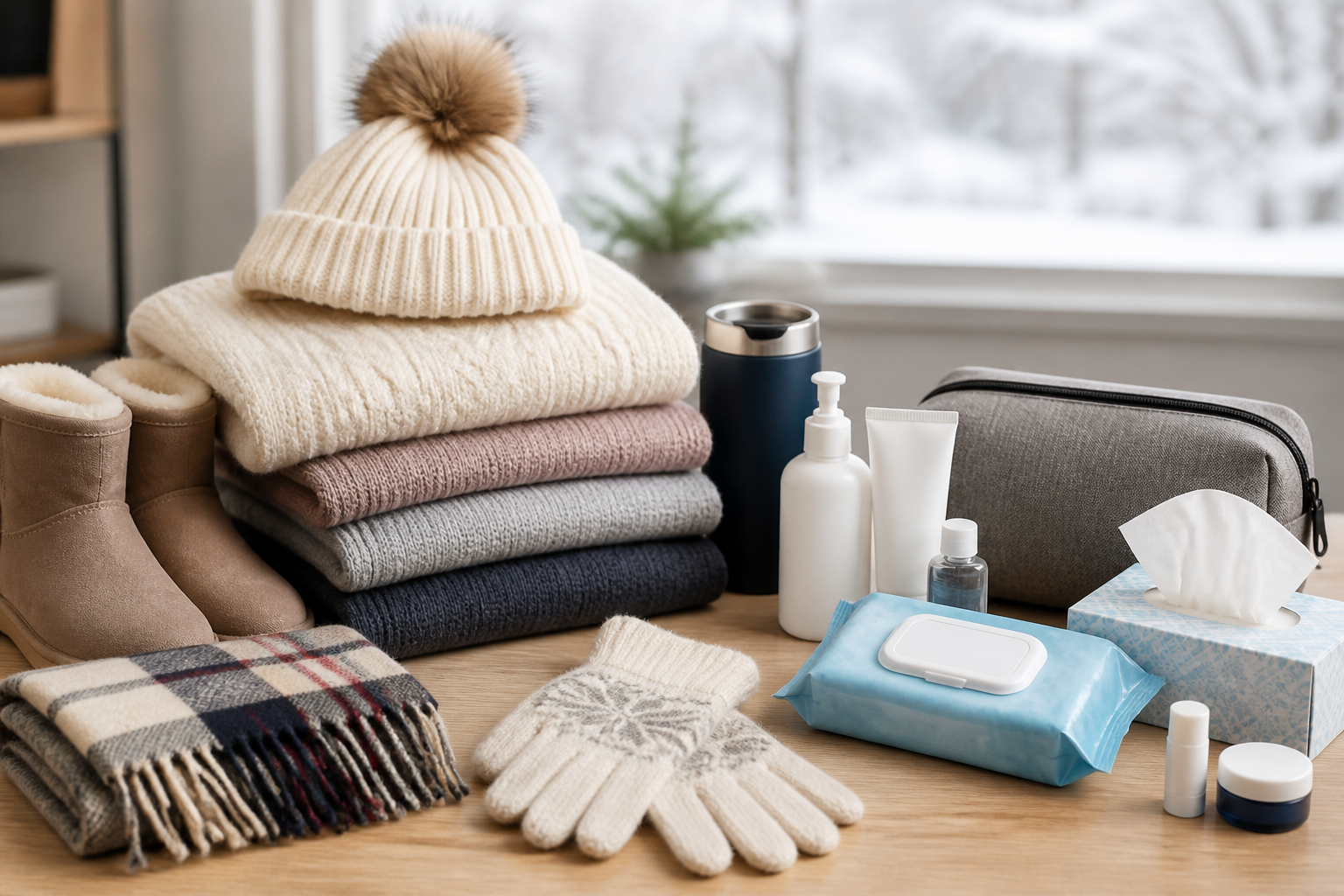
Small accessories often make winter much easier. Gloves or mittens, scarves, hats, ear warmers, and warm socks can improve comfort without requiring a major wardrobe change. These items are especially useful if you spend time outdoors in the early morning or evening.
When shopping for accessories, prioritize fit and comfort. Gloves that are too loose may reduce dexterity, while hats that slip or feel itchy may not get used. Wool blends, fleece, and thermal fabrics are common choices, but the best option is usually the one you can wear consistently.
2. Choose footwear for cold, wet, and slippery conditions
Footwear is one of the most important parts of a winter shopping checklist because it affects comfort, traction, and daily mobility. Winter shoes should do more than look good. They should support your routine in weather conditions that can include slush, rain, mud, snow, and ice.
Everyday winter shoes
If you only buy one pair of winter footwear, choose something practical enough for repeated wear. Everyday winter shoes should ideally offer a stable sole, enough room for warm socks, and materials that are suitable for your weather conditions. If you commute on foot or walk through wet areas, water resistance may be particularly useful.
Consider whether you need ankle support, easy slip-on access, or a style that can transition between indoor and outdoor settings. The right balance depends on your lifestyle. A city commuter may want something different from someone who spends time outdoors or drives frequently.
Boots for harsher weather
In areas with heavy snow or very cold temperatures, boots can be more practical than standard shoes. Helpful features may include a grippy sole, taller coverage, insulation, and materials that are easier to clean. Boots that are too rigid may feel uncomfortable for all-day wear, so balance protection with comfort.
When comparing options, think about your typical route. If you are mostly walking on cleared sidewalks, you may not need a heavy-duty boot. If your area sees deeper snow or slush, a more protective design may be worth considering.
Socks and insoles
Warm socks are a small purchase that can greatly improve winter comfort. Some people prefer thicker socks, while others prefer moisture-managing materials that reduce dampness during long wear. The best choice depends on whether your feet tend to get cold, sweaty, or both.
Insoles can also be useful if your winter shoes need a comfort boost or a better fit. If you plan to add thick socks, make sure your shoes still have enough room. Buying footwear that is slightly too snug can make winter walking uncomfortable.
3. Make home comfort a priority
Winter shopping is not only about going outside. Many everyday essentials help make your home more comfortable during colder months. Small home changes can reduce daily friction, especially if your home tends to feel drafty, dry, or dim in winter.
Blankets and throws
Blankets are among the simplest winter essentials. They are useful on beds, sofas, chairs, and even in vehicles for backup warmth. When shopping, think about warmth level, material, and size. A blanket that is easy to wash and comfortable for daily use is often more valuable than one that only looks decorative.
For shared spaces, consider having a few different blanket weights so people can choose what feels right. A lightweight throw may work for evenings indoors, while a thicker blanket may be better for sleeping or very cold rooms.
Indoor slippers
Cold floors can make a room feel much colder than it is. Indoor slippers are a practical winter item for people who spend a lot of time at home. Look for a pair that provides warmth, a stable sole, and a comfortable fit. If you walk on tile or hardwood, anti-slip soles may be useful.
Choose slippers that are easy to put on and take off, especially if you move between indoor and outdoor areas frequently. If you need arch support or plan to wear them for long periods, a more structured design may be worth considering.
Home air and moisture support
Winter indoor air can feel dry in many homes, which makes comfort items like humidifiers or room moisture solutions useful for some people. If you are considering one, focus on room size, ease of cleaning, and maintenance requirements. A device that is difficult to clean may not be convenient for regular use.
Not every home needs the same solution. Some households benefit more from improving ventilation, sealing drafts, or using simple moisture-balancing habits than from buying a new appliance. The main idea is to choose what supports your environment realistically.
4. Build a practical lighting and visibility kit
Winter means less daylight, and reduced visibility can affect everything from commuting to household tasks. A small lighting kit can be an underrated but very useful part of your winter shopping checklist.
Flashlights and backup light sources
A reliable flashlight is helpful for power interruptions, late arrivals, car checks, and neighborhood walks. When comparing flashlights, look for comfortable grip, battery type, brightness settings, and ease of storage. It can be useful to keep one in the home, one in a bag, and one in a vehicle if needed.
Battery-powered or rechargeable options may both be practical depending on your routine. If you choose rechargeable products, remember to keep them charged. The most useful flashlight is the one you can access when you need it.
Reflective and visibility accessories
For people who walk, jog, or wait outdoors after dark, visibility accessories can be helpful. Reflective bands, clips, backpack attachments, or bright outer layers may improve how visible you are to others. Choose items that are easy to wear consistently rather than accessories that are awkward to fasten.
Keep visibility in mind when buying winter outerwear as well. Dark coats can be practical, but a reflective detail or lighter color may be helpful in low-light settings.
5. Keep your everyday carry winter-ready
Everyday carry items are the things you keep in a bag, pocket, car, or desk drawer. In winter, it can be useful to add a few seasonal basics that help you handle ordinary disruptions more easily.
Reusable water bottle or thermos
Hydration matters all year, but many people forget to drink enough water in colder weather. A reusable bottle is useful for work, school, errands, or time at home. If you prefer warm drinks, a thermos or insulated mug may be more practical. Look for a lid that closes securely and a shape that fits your usual bag or cup holder.
For winter shopping, the question is not simply which bottle looks best. It is whether it suits the drink you actually carry and whether it is easy to clean and reuse regularly.
Hand warmers and pocket heat support
Hand warmers can be useful for outdoor waiting, travel delays, or long winter walks. Some are disposable, while others are reusable. Choose based on how often you expect to need them and whether portability or long-term reuse matters more.
It is sensible to keep a small supply in a bag or emergency kit if your area sees frequent cold snaps. That said, hand warmers should be treated as a convenience item, not a replacement for proper winter clothing.
Portable charging basics
Cold weather and shorter days often increase reliance on phones for navigation, weather checks, transit updates, and messaging. A portable charger can be a useful winter everyday essential if you spend time away from home for long stretches. When choosing one, compare capacity, size, charging speed, and compatibility with your devices.
Keep the charger in a place where you will actually remember it. If it is too heavy or inconvenient, you may stop bringing it.
6. Stock useful kitchen and food essentials
Winter shopping often works best when it includes simple kitchen support items. You do not need a special winter menu to benefit from a few practical additions that make meals, snacks, and drinks easier on busy days.
Easy meal staples
Cold weather can make comfort food more appealing, but everyday practicality matters most. Shelf-stable basics, frozen vegetables, soups, grains, pasta, oats, and simple protein options can help make quick meals easier. The goal is not to overbuy. It is to keep useful staples on hand for days when you do not want to shop frequently.
When building winter pantry essentials, think about items that match your normal cooking habits. Buying ingredients you rarely use can waste space and money.
Hot drink supplies
Tea, coffee, cocoa, or other warm drinks can make winter mornings and evenings more comfortable. If you already enjoy hot drinks, winter is a good time to check whether you have enough filters, sweeteners, stirrers, or other routine supplies. A simple hot drink setup can reduce unnecessary store trips in bad weather.
Also consider insulated mugs, travel cups, or lids that reduce spills during commuting. These small details can matter more than buying a new beverage item with features you will not use.
Snacks and grab-and-go food
It can be helpful to keep snacks that are easy to carry, share, or store in winter bags and vehicles. The right choice depends on your daily schedule. Parents, commuters, and people with long work shifts may value different types of convenience food. Focus on items that fit your routine and storage space.
7. Add cleaning and maintenance basics
Winter often brings more mess indoors and more wear on household items. Wet shoes, salt residue, damp gear, and tracked-in dirt can all increase cleaning needs. A few maintenance basics can help you stay ahead of the extra work.
Doormats and shoe trays
Doormats help reduce dirt and moisture at the entrance, while shoe trays can give wet footwear a place to dry. These are low-cost, practical items that can protect floors and make entryways easier to manage. Choose products that are sized correctly for your space and easy to clean.
Cleaning cloths and storage solutions
Microfiber cloths, drying racks, bins, and hooks can help organize winter accessories and keep damp items from piling up. A simple storage setup for gloves, scarves, hats, and boot accessories can make cold-weather routines much easier.
Instead of buying many organizers at once, identify the one or two areas where clutter naturally builds up, then add storage there first.
8. Common winter shopping mistakes to avoid
Even a helpful checklist can go wrong if the purchases do not fit your actual life. Avoid these common mistakes when shopping for winter essentials.
- Buying for the ideal winter instead of your real one: If your area usually has damp cold, you may need different items than someone dealing with dry, severe snow.
- Prioritizing style over function: Winter purchases should look good enough, but comfort, fit, and practicality matter more for daily use.
- Ignoring layering: A single very heavy item may be less flexible than several pieces that work together.
- Overbuying seasonal items: Not every winter product is necessary. Start with what you will use repeatedly.
- Forgetting storage and care: Items that are hard to wash, store, or maintain may not be convenient for everyday life.
- Buying the wrong size: This is especially common with coats, boots, and gloves. Leave room for comfort and layers where needed.
9. A simple winter shopping checklist by priority
If you want a practical way to organize your purchases, start with the essentials most people use often. The order below can help you focus on the highest-value items first.
- Warm socks and everyday layers
- Reliable coat or jacket
- Winter shoes or boots
- Hat, gloves, and scarf
- Blanket and indoor slippers
- Flashlight or backup light source
- Reusable bottle or thermos
- Portable charger
- Doormat, shoe tray, or cleaning basics
- Simple pantry and snack staples
This list is intentionally broad because the best winter shopping checklist depends on how you spend your time. A remote worker at home, a student walking to class, and a parent managing school pickup in the dark may each need a slightly different mix of essentials.
Frequently Asked Questions
What are the most important winter everyday essentials?
The most important essentials are usually warm layers, a practical coat, winter footwear, accessories like gloves and hats, and a few home comfort items such as blankets and slippers. Beyond that, useful additions include a flashlight, reusable bottle, and basic pantry staples.
How do I know what winter items I actually need?
Start with your routine. Think about how often you are outdoors, whether you walk or drive, how cold your home feels, and whether weather disruptions affect your schedule. Buy items that solve real problems in your daily life.
Should I buy one very warm coat or several layers?
For many people, layers are more flexible than one heavy piece alone. A balanced system of base layers, mid-layers, and an outer coat can adapt better to different temperatures and indoor environments.
What winter essentials are useful for commuting?
Commuters often benefit from waterproof or water-resistant footwear, warm socks, gloves, a hat, a portable charger, a thermos, and reflective items or bright outerwear for low-light conditions.
How can I shop for winter on a budget?
Focus on multipurpose items first. Choose basics that work in different settings, buy layers before specialty items, and compare quality features such as fit, durability, and maintenance rather than chasing the cheapest option alone.
Conclusion
A smart winter shopping checklist is less about buying more and more about buying what truly supports your everyday routine. The best essentials are usually practical, comfortable, and easy to use repeatedly: warm layers, good footwear, useful home comfort items, visibility tools, carry-along basics, and a few simple food and cleaning supplies. If you start with these categories and choose items that fit your climate and lifestyle, you will be better prepared for winter without overspending or filling your space with things you do not need.
Use this checklist as a guide, then customize it for your home, commute, work schedule, and local weather. The result is a winter setup that feels simpler, more comfortable, and more manageable day to day.